Challenge of the month: How to smarter travel to work?

Everyday traffic jams, high costs for maintaining personal vehicles and problems finding parking are just some of the reasons people often think about faster, more cost-effective, and healthier ways of transport. That is why we present you alternative options that are better not only for you, but also the environment, because they contribute to reducing the rate of harmful particles in the air.


Everyday traffic jams, high costs for maintaining personal vehicles and problems finding parking are just some of the reasons people often think about faster, more cost-effective, and healthier ways of transport. That is why we present you alternative options that are better not only for you, but also the environment, because they contribute to reducing the rate of harmful particles in the air.


Health steps


Summer has officially arrived, and now is the best time to be more physically acrive and spend time in the fresh air. After months of staying inside, minimised movement, and reduced physical activity, that occurred as the result of the protection measures in place due to the COVID-19 pandemic, it is about time we started making up for the lost time. 


Walking is the simplest physical activity, an yet its benefits we often underestimate. Scientists state that physical activity can cause chemical changes in the brain, such as the release of endorphins, which can significantly improve your mood. This can then positively affect your level of motivation and self-esteem, increasing your energy levels and, thus, your efficiency at work. U.S. research has shown that people who walk at least 1 kilometer per day significantly reduce their risk of heart disease, back pain, dementia, depression, and obesity. Walking affects the heart pumping blood and improves circulation, as better blood flow ensures the body gets enough blood rich in the nutrients needed for optimal health. In parallel, there is no damage to the environment.


As many remain cautious about the spread of the pandemic, public transportation is visibly reduced, and users choose alternative options such as walking and cycling, although others still use cars.


Experts working on the Bosnia Energy Efficiency Project (BEEP) advise that, if you travel to work by car, consider the damage you do to the environment this way. Cars, buses, and trucks are the leading causes of air pollution. The smoke they emit may contain carbon monoxide, nitrogen oxides, hydrocarbons, lead, and various other particles, which we all eventually inhale. Walking or cycling not only helps fight global warming, but also environmental pollution.


Bikemania


In addition to being the cheapest means of transportation, the bicycle is environmentally friendly because it does not pollute the environment and significantly contributes to health. That is why, by choosing this mode of transport, you save money, get your body in shape and help the environment. Many studies point cycling is very important in reducing the risk of heart attack and stroke, blood sugar, and blood pressure. With the bike, you can quickly go through the crowd, will not be late for important meetings, and do not have to worry about parking. Additionally, you will be exercising and breathing fresh air at the same time. Riding a bike for 25 minutes a day, instead of riding a car, reduces carbon dioxide emissions by 165 kg per year.


Cheaper and more environmentally conscious driving


Whether you travel to work every day or occasionally, Carpooling is something that will benefit you in many ways. There are numerous benefits to sharing transportation. The cost of travel is lower because all passengers share it, and due to the use of fewer vehicles, carpooling is a more environmentally friendly mode of transportation. You can offer carpool, and if you do not have your own car, you can arrange it with some family members, work colleagues, friends, and even acquaintances that you consider great companions. High emissions, congestion, and the consumption of non-renewable energy sources are just some of the negative consequences of the large number of vehicles in traffic. This way, you help the environment, and enjoy more economical and exciting rides to your destination.


So, we challenge you to choose a healthier way to get to your destination the next time you go somewhere, be it an easy walk, a bike ride, or, ultimately, a joint ride to work with you colleagues.


Are you planning to move into a new home? Here are some tips for long-term saving

Whatever the occasion, relocations are almost always followed by a detailed budget and cost planning. If you are in a similar situation, this is the ideal time to look for ways to improve your new home’s energy efficiency and thus ensure long-term savings in your bills.


Moving to a new living space is often related to significant life events, such as starting new studies, a unique business opportunity, or some other similar moments in life. Whatever the occasion, relocations are almost always followed by a detailed budget and cost planning. If you are in a similar situation, this is the ideal time to look for ways to improve your new home’s energy efficiency and thus ensure long-term savings in your bills. So drop those boxes filled with memories for a brief moment, and before unpacking them, consider ways this new start can help you be more both environmentally conscious and economical.


Do an energy audit of the new home

The first step to improving the energy efficiency of your new home is to understand its current condition. That is why it is crucial to do an energy audit, which will show you how your new home uses energy in all segments (windows, walls, attic, etc.). With this data, you can then determine the best ways to reduce energy consumption and costs.


Install a smart thermostat

Today’s technology allows us to quickly automate our homes, as it enables control over basically anything, from the refrigerator and oven, to heating and lighting. One of the most commonly used smart devices in homes is the smart thermostat, which allows us to control the temperature inside the room. The smart thermostat gives you the chance to edit the plan for heating settings in the apartment and the constant control of its temperature. In this way, unnecessary heating and cooling of the room is avoided, automatically reducing your energy costs.


Switch to LED lighting

Did you know that energy-saving light bulbs consume up to six times less energy? Also, they last up to ten times longer, so before moving in, check which light bulbs are set in your new living space. If this is not already the case, be sure to install LED bulbs and thus reduce your energy consumption.


Buy energy-efficient appliances

If you have started planning your new home from the very beginning and buying new household appliances, make sure that they are energy-efficient, i.e., they have an A ++ label. At the same time, if you have some old devices that you have been using for many years now, this is an ideal opportunity to replace them with new ones. Replacing an old toaster may seem like a waste of money now, but it can help you make significant savings in the long run.


Install the blinds

We always use maximum sunlight to illuminate the space, but constant exposure to light through glass windows can increase room temperature. By installing blinds, both inside and outside, you can contribute to reducing the temperature of your living space, which will directly reduce the use of cooling devices, and reduce energy bills.

What is an energy certificate?

Upon completion of the implementation of energy efficiency measures in buildings that are renovated as part of the Bosnia Energy Efficiency Project (BEEP), each facility is given a corresponding energy certificate. But what exactly is an energy certificate, and who needs it?


Upon completion of the implementation of energy efficiency measures in buildings that are renovated as part of the Bosnia Energy Efficiency Project (BEEP), each facility is given a corresponding energy certificate. But what exactly is an energy certificate, and who needs it?


An energy certificate is a document that reflects the energy performance of a building and the calculated energy consumption, including all gains and losses while the facility is being used in certain climatic conditions. In other words, it is a document that clearly presents the energy properties of a building, such as heating, carpentry, wall quality, and climate. This document contains prescribed specific content and appearance and is issued by an authorized person.


The purpose of this certificate is to provide information to the owners and users of the building on the energy characteristics of the building, i.e., its energy consumption, as well as possible proposals for its improvement. The set of actions and procedures carried out to issue this certificate is called energy certification.


Energy certification is legally regulated in Bosnia and Herzegovina and states that all new facilities defined by this law, as well as existing facilities that are being sold or rented, are required to have an energy certificate. Energy certificates can be issued only by personnel authorized by the Federal Ministry of Physical Planning.


Depending on the energy consumption of the building itself, energy certificates are classified in one of the eight energy classes, which are labeled by A +, A, B, C, D, E, F, G, where A+ represents the most energy efficient, and G the least energy efficient class.

Energy efficiency during the COVID-19 pandemic

Is the pandemic the world is currently facing a threat or an opportunity for energy efficiency?


The atmospheric concentration of carbon dioxide has been increasing ever since tracing records of the level of this gas in the atmosphere started in 1958, and Charles Keeling’s research was among the first ones to prove it. Since then, scientists have been monitoring its levels and warning of the danger the Planet is facing. But today, in numerous places around the world, scientists analyzing the data notice something else: a decrease in atmospheric carbon dioxide concentrations, as a result of the global economic slowdown caused by the COVID-19 pandemic. Because the curve showing the degree of intensity of this gas in the atmosphere has never shown a sudden change before, the importance of the reflection of the first economic crisis in this area is evident.


Around 3 billion people live under restrictions at the moment, due to pandemic. Airlines have grounded their planes, cars are used less, and factories are reducing or completely shutting down their production. All this is, in a way, a global environmental experiment whose execution would otherwise be impossible. Some of its short-term results are already noticeable; clear water is flowing through the canals of Venice, the sound of birds singing in the center of London can be heard as traffic noise is reduced significantly. At the same time, a drastic reduction in air pollution has made the blue sky above Delhi visible again. Experts say the Planet has taken a break, but also warn that it is too early to celebrate, as what awaits us after the lockdown is crucial.


Short-term forecasts are somewhat easier to make – establishing working from home principle in companies, reducing travel rates, closing restaurants and bars, and canceling sporting events all contributed to a reduced energy consumption rate. On the other hand, governments are in the process of creating a recovery package that will shape societies and economies in the near and further future. It is for this reason that these plans need to be aligned with the medium- and long-term priorities and objectives defined in international agreements. These agreements can serve as a compass for staying on track to ensure that the economy is aligned with climate goals, as well.


At the same time, recovery packages can also accelerate the transition to sustainable economies. By making the energy transition a part of the focus of the recovery process, Governments can take the additional step towards a healthy, prosperous and sustainable future, and be an example of applying effective action to all individuals.

Challenge of the Month: Improve the Energy Efficiency of your Home

If you, too, were one of those who adapted their daily routine so that staying at home is possible, this month’s challenge is tailor-made for you. We bring you some simple tips to help you improve the energy efficiency of your home and thus help reduce your energy bills.


As the COVID-19 pandemic spreads, messages on the importance of staying home are being sent daily. Experts point out that the responsible behavior of each individual is crucial for B&H, but also the rest of the world, to win this battle. If you, too, were one of those who adapted their daily routine so that staying at home is possible, this month’s challenge is tailor-made for you. We bring you some simple tips to help you improve the energy efficiency of your home and thus help reduce your energy bills.


Think about your habits


To reduce energy consumption in your home, it is not necessary to undergo a renovation of your living space or to replace all of the appliances. Energy savings can also be achieved through simple behavior changes. For example, do you turn off the light when leaving the room? Do you switch off devices you do not use? Do you always close the faucet when brushing your teeth or doing the dishes? These often neglected habits can significantly help you reduce your home’s energy consumption.


Dry your laundry outside


Spring is officially here and with it comes warmer weather, meaning you no longer have an excuse to use the dryer. Instead, let nature do the work and therefore reduce electricity consumption in your home.


Use the sunlight


Switching to daylight saving time has extended our day by a full hour, and you should make use of it. If you have blinds and shutters, remove them, and use sunlight instead of artificial light. At the same time, this will contribute to reducing energy bills as it will simultaneously be a source of light and heat.


Adjust the temperature on the thermostat


Another benefit of warmer weather is the fact it warms up our living space. For this reason, it is essential to adjust the temperature of your home’s thermostat to prevent unnecessary energy consumption.


Use cold water


Water heating is one of the main reasons for daily energy consumption. Therefore, if not necessary, opt for cold water when turning on the washing machine and dishes. This will certainly help reduce your energy bill.

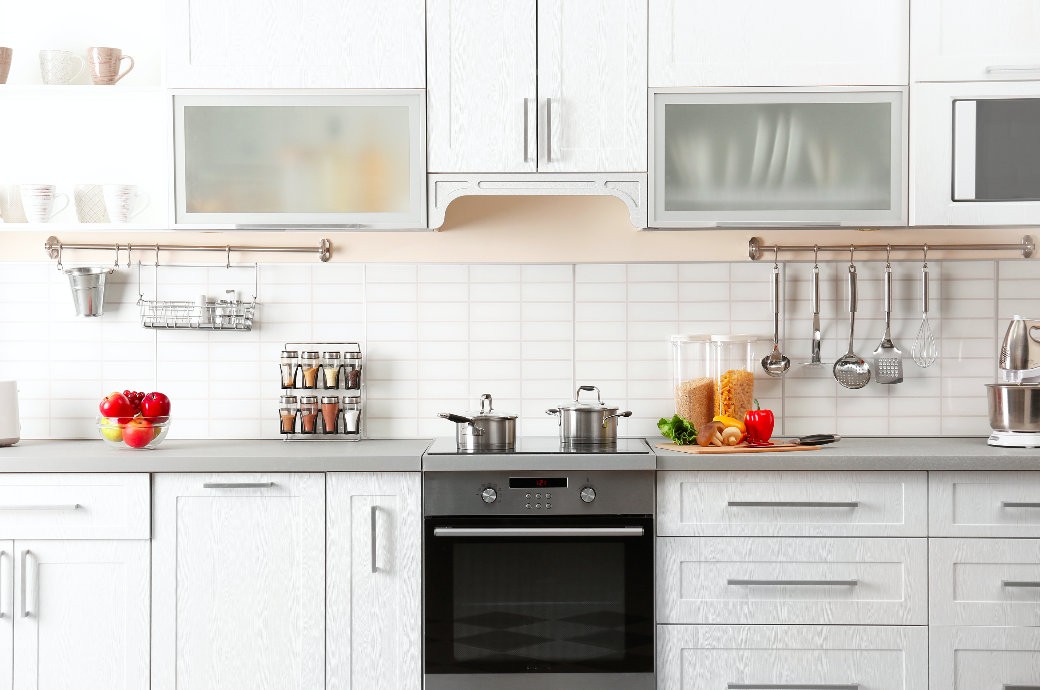
How to make your kitchen energy efficient?

If you are one of those who use the extra time to try out all the recipes that have been on the waiting list for a while, we bring you some tips that will make your kitchen more energy-efficient and thus reduce your energy bill.


The coronavirus pandemic has brought new rules, obligations, and responsibilities to everyone. Emergency state measures require staying at home and reducing interaction with people, which increases the amount of time we spend in our homes. If you are one of those who use the extra time to try out all the recipes that have been on the waiting list for a while, we bring you some tips that will make your kitchen more energy-efficient and thus reduce your energy bill.


Maintain your refrigerator and keep it full


The fridge is at the top of the list of devices that, on average, consume the most energy in a home, which is not surprising given the fact that it is always on, or active, to keep food fresh. Continuous use of each device affects its capacity, which is why its maintenance is essential. If you have one of the older models, consider replacing your fridge with a newer device that uses less energy. Also, keeping your fridge always full will help reduce energy consumption because the more items you have in it, the less electricity you need to cool it.


Use glass or ceramic dishes in the oven


What kind of dishes do you use when cooking? If your recipe calls for cooking in the oven, use glass or ceramic pans. The food will cook just as fast in these dishes, but you can keep the temperature about 10 °C lower than necessary, therefore reducing energy consumption.


Keep the oven door closed


Sometimes it is difficult to resist those chocolate biscuits while they’re in the oven, but opening the door while baking is bad for both the food and your energy bill. Each time you open the oven, you will lower its temperature, which means that it will need extra energy to return to the one it is set on. Instead of opening the door to check whether the food is done, rely on a timer, or turn on the light in the oven for a better look.


Turn off all unused devices


Whether it is a toaster, a coffee machine, or a mixer, there is an appliance or two in every kitchen that is not used as much. Be sure to keep these devices off if you do not need them, as otherwise, they will consume energy even if they are off.

Monthly Challenge: Smart use of electricity

We bring you some simple tips to help you with the efficient use of electronic devices.


Every March, Energy Efficiency Day is celebrated around the world, in honor of the first meeting of world experts focusing on this topic, held in 1998 in Austria. This day is an ideal opportunity to remind ourselves of the importance of smart energy use. This is why the efficient use of electronic devices is in the focus of this month’s challenge. We bring you some simple tips to help bring this challenge into reality.


Turn off the energy “vampires”


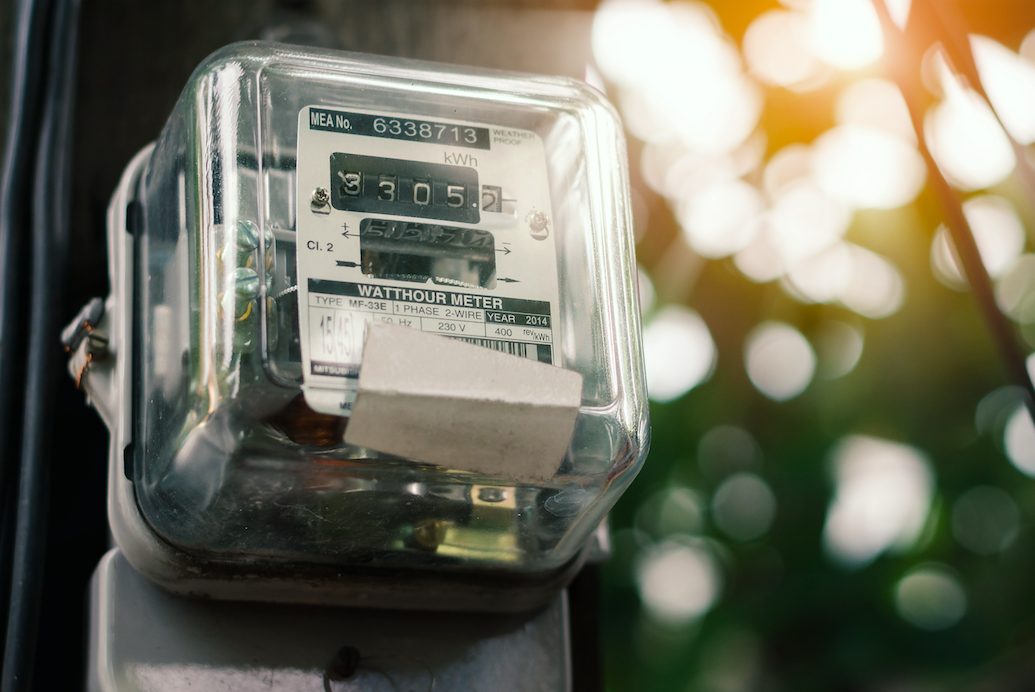
“Vampires” are electronic devices that consume energy even when not in use, because they are not entirely turned off, but are instead on the stand-by option. Most home appliances automatically switch to this mode as it allows them to re-start quickly. This subtle use of energy has a significant effect on the total amount of energy consumed in your household over a more extended period, so remember to turn off all your appliances when they are not in use.


Use warm water wisely


Taking a bath or a shower, as well as doing laundry and dishes, are some of the most common reasons for using hot water at home. Taking shorter showers, using a dishwasher instead of washing the dishes on your own, as well as doing laundry at lower temperatures are just some of the ways to make smarter use of water, which will undoubtedly result in lowering your bills.


Consider using energy-saving gadgets


Some devices can help you control energy consumption in your home. For example, some chargers allow you to charge multiple devices simultaneously, while automatically turning off when the devices when they are fully charged, thus preventing already mentioned “vampire” power consumption. Another similar device is the smart thermostat that will help you control your heating system, therefore ensuring that your living space does not heat up more than necessary.


Use light bulbs


This energy-efficient measure is among the most commonly mentioned ones. Have you ever wondered why? Because, when compared to the ordinary ones, energy-saving bulbs heat up less, which automatically means they consume less electricity. The most common reason for considering switching to LED lighting is the temperature of the colors emitted by the lamps. Hence, it is important to note that there are several types of temperature colors of energy-saving lamps, such as warm white, natural white, and cold white.

Implementation of Bosnia Energy Efficiency Project (BEEP) continues

The implementation of the Project will continue at the same pace in the upcoming period, as seven new public buildings in the FBiH will receive a new, energy-efficient attire. Five of these objects are health institutions, while two are educational ones. All seven are in the area of three cantons: Herzegovina-Neretva Canton, Sarajevo Canton, and Canton 10.


Since 2016, energy efficiency measures implemented within the Bosnia Energy Efficiency Project (BEEP) have been implemented in the buildings of public institutions in the Federation of BiH. To date, more than 22 million BAM has been invested in the reconstruction of 48 buildings, reducing CO2 emissions by 3,714 tones per year. In addition to increasing comfort for more than 410,000 users, the Project also results in savings of over 2.7 million BAM per year.


Buildings of high social importance, such as ones of educational and health institutions, are in the focus of the Project, along with other public buildings. Since the start of the implementation of the Project, a total of 48 facilities have been renovated, 35 of which are educational, 8 are health, and 5 are other public institutions.


The implementation of the Project will continue at the same pace in the upcoming period, as seven new public buildings in the FBiH will receive a new, energy-efficient attire. Five of these objects are health institutions, while two are educational ones. All seven are in the area of three cantons: Herzegovina-Neretva Canton, Sarajevo Canton, and Canton 10.


All work will be done according to international energy efficiency standards. Objects that will be a part of the Project in the upcoming period are High school for Environment and Wood Design in Sarajevo, Secondary Traffic school/Secondary Mechanical School in Mostar, Ambulance Building in Capljina, Prozor High school in Prozor-Rama, Ambulance Building in Citluk, Primary school “Drvar” and Center for Culture “Narodni Univerzitet Konjic.” 


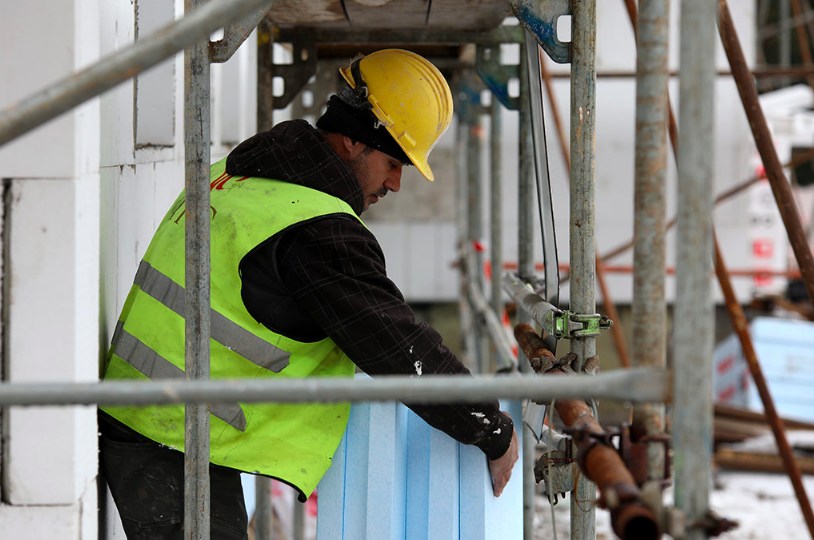
Renovation of these facilities, which includes implementation of measures such as window replacement, thermal insulation of the facade, and replacement of exterior joinery, will undoubtedly improve the living conditions of users and employees of these institutions. Implementation of Bosnia Energy Efficiency Project (BEEP) continues

Creating Healthy Habits: Elementary students in B&H learned about energy efficiency

Educational and entertaining workshops for students of 13 elementary schools were held.


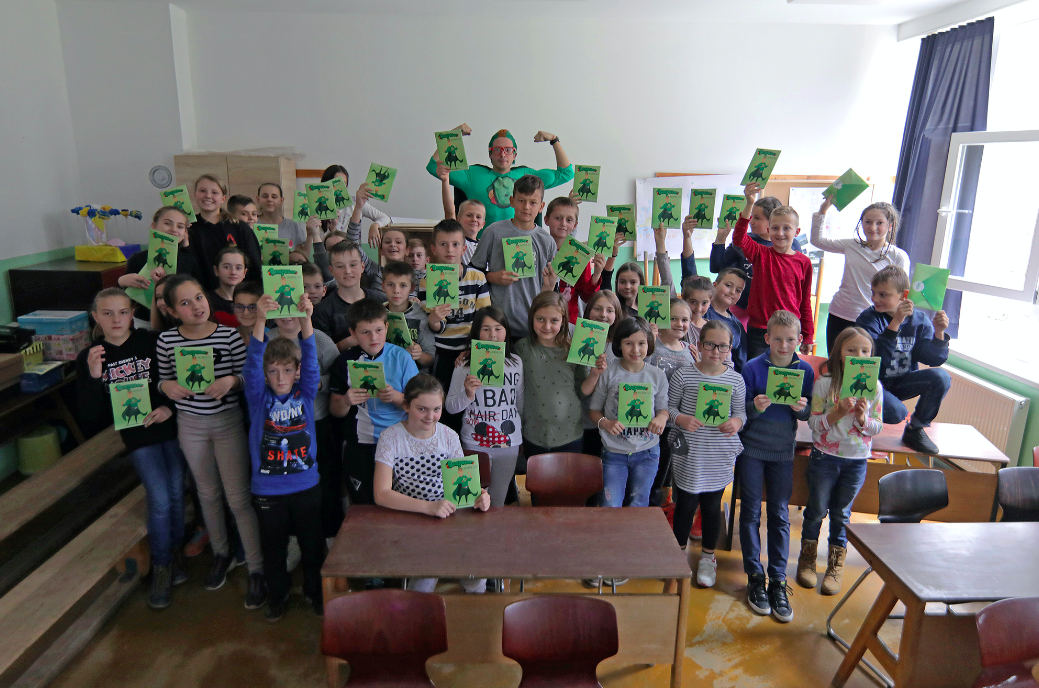
For the past few months, students from 13 elementary schools in Bosnia and Herzegovina have been visited by the superhero Beepster, who has once again arrived to the planet Earth. With the aim to contribute to creating healthy habits from their early age, this superhero has taught the pupils about the importance of energy efficiency as a way to save our planet from the dangers it is facing. Through both educational and entertaining workshops, the superhero shared tips on how to become heroes and contribute to a healthier future.


“This kind of workshop is fun for the youngest generations, but at the same time, they are very educational. They are especially important when we consider the place technology is taking up in our lives today. It is important that we show the kids how they should behave in these conditions, as well as how to behave smarter to help planet Earth.” said superhero Beepster.


Educating the youngest generations is an investment of knowledge and time beneficial in many ways. It is crucial for developing awareness of the importance of energy efficiency. At the same time, it is essential for improving the possibility of young people devoting their energy to such topics in the future, and to contribute to the creation of a healthier environment through their innovative solutions.


“It is important that children learn they need to turn off the lights after leaving the room, turn off the appliances instead of leaving them on stand-by, as well as keep the water off while brushing their teeth or washing their hands. It’s all a waste of energy,” the superhero added.


The process of combining education and fun into a useful whole has been further enriched by the use of new technologies, which take up an essential place in the daily lives of these generations. That’s why the superhero Beepster introduced Beepomat, an interactive educational device that showed pupils how energy-efficient behavior could save the world, along with a special camera, with the help of which he demonstrated the appearance of the devices when they use energy, compared to the ones that are turned off. The workshops were held in Sarajevo, Gorazde, Zenica, Olovo, Zavidovici, Jajce, Kiseljak, Breza, Gracanica, Srebrenik, and Zivinice, as a part of the Bosnia Energy Efficiency Project (BEEP), which is being implemented by the Federal Ministry of Physical Planning with the credit debt from World Bank.


“Rescuing the Planet is our common mission,” the pupils concluded at the end of the workshop, noting that the superhero Beepster could continue his journey through the galaxy, as Earth now has many new guards.

Five tips to help you reduce your energy consumption today

If a lower energy bill is on the top of the list of reasons to look forward to warm spring days, here are some tips to help you reduce your last month’s bill this calendar winter.


Despite the fact that spring is officially coming in a little over a month, we still feel the cold winter days, and judging by the weather forecasts, it will stay that way in the upcoming period. If a lower energy bill is on the top of the list of reasons to look forward to warm spring days, here are some tips to help you reduce your last month’s bill this calendar winter.


Avoid washing dishes by hand

Hand washing dishes require a lot of warm water and, therefore, a lot of energy. This is especially important when there is a large number of dishes. On the other hand, most dishwashers today have energy-efficient settings, which most often allow you to wash large quantities of dishes with less water and energy.


Turn off the drying option in the dishwasher

Most of the energy consumed by your dishwasher is used to heat water. When it comes to the process of drying the dishes, it operates on the principle of hot air, which turns the water drops on the dishes into steam. This speeds up drying, both saving you time and eliminating the extra effort of wiping the excess water with a cloth. Even though, on the one hand, this may seem to save you time, in the long run, drying is just an additional expense. Instead, try turning off the drying option and leaving the dishwasher door partially open after it finishes washing and waits for them to dry on their own before removing them from the machine. This way, you will not waste time wiping the dishes, nor will you spend extra energy/money drying it.


Save energy by washing clothes in cold water

A lot of energy is used in the process of washing clothes, and there are several ways to make them more efficient. One of the best methods to do this is to reduce the water temperature you are using. For your washing machine to use hot water, it needs first to heat it, which, again, requires electricity. Using cold water will reduce the amount of energy consumed while still ensuring the efficient washing of your laundry.


Wash only full loads 

A washing machine, as well as a dishwasher, are some of the more significant electricity consumers in your home. One effective tactic to save energy is to wash only full loads because washing a partially full machine consumes the same amount of water as washing a full one.


Use cheap electricity terms

Most households operate on the principle of higher and lower tariff rates, or as the general public calls them a period of cheap and expensive electricity. If you use this type of consumption is your home, adjust your plans to the schedule of low-cost electricity by starting the washing machine and the dishwasher, heating the water in the boiler, or vacuuming at the periods when electricity is cheaper. This way, you can make a significant contribution to reducing your energy bills.