6 Ways You Can Contribute to Healthier Air

We bring you a few tips with which you can contribute to creating a healthier environment for all.


Air pollution is the result of the presence of solid particles and gas mixture in the air. In addition to well-known air pollution sources, such as car emissions, chemicals from factories, dust, pollen, and mold, many smaller ones are located in our homes or around them. Most of these sources, such as lawnmowers, dry cleaners, yard fires, tinsmith shops, or construction sites, are located in our immediate vicinity. Precisely because of this and the fact that they are considered minor pollutants, they are often neglected, despite the fact that total emissions from these sources are as significant as those from industrial ones. If we add the fact that inhalation of some of these air pollutants can contribute to health problems, it is clear that it is the duty of each individual to contribute to the maximum reduction of air pollution. Therefore, we bring you a few tips with which you can contribute to creating a healthier environment for all.


Reduce vehicle use


Although modern vehicles emit significantly fewer harmful particles than was the case before, they still represent one of the major air pollutants. Because of that, skip the car ride and use an alternative mode of transport – bicycle, electric vehicle, electric scooter, or opt for the so-called carpooling, or sharing a car with friends.


Maintain your car regularly


Car service is one of the important steps towards ensuring the health of your pet, but also the environment. That is why it is advisable to check the tire pressure monthly, but also to regularly maintain the exhaust system.


Don’t burn your trash


Burning trash is dangerous for your health but also the environment, and in some countries, it is even against the law. Instead, dispose of the waste in the recommended places, and if you can, choose to recycle. That way, you will further contribute to creating a healthier environment.


Avoid lighting fires in the city


The smoke that results from a burning fire in the city creates unhealthy conditions for hundreds of people, especially during stagnant weather conditions. This is due to the fact that cities have an increased level of air pollution compared to suburban and rural areas, which is why even less noticeable sources of pollution are extremely significant. In case a fire is necessary, use only dry firewood, and avoid periods when air quality warnings are in force.


Plant and nurture trees


Trees are important filters of polluted air, and they absorb carbon dioxide. They also release oxygen into the atmosphere and help cool homes. Therefore, it is important to take care of them, but also to afforest regularly, in order to contribute to the strengthening of this extremely important part of nature.


Use electrical or manual garden maintenance equipment


Gas-powered motors, such as those on lawnmowers or leaf blowers, often don’t have built-in pollution control devices. This is precisely why a lawnmower can produce almost the same amount of pollution as traveling by car for 100 kilometers. Therefore, the next time you buy some of these devices, choose manual or electrical equipment.

Energy Savings for a Sustainable Workplace

In order for you to contribute to energy efficiency in the workplace, experts bring you a few simple tips that will help you save energy and bring positive changes to your work environment.


Most of us often think about making smart changes in life and finding practical ways to save energy (and money). Even though many of us try to apply “good” behavior practices in all segments of life, we practice them more often in our homes than outside of them. But why not use these good practices every time and everywhere? Some people spend the same amount of time at work as they do at home, so why don’t we treat our workplace the same as our favorite corner at home? By taking care of energy consumption at work, we benefit everyone, more precisely, we behave like good corporate citizens. Corporate citizenship refers to behavior in which an organization demonstrates responsibility towards customers, employees, shareholders and owners, the wider community, and the environment.


In order for you to contribute to energy efficiency in the workplace, experts bring you a few simple tips that will help you save energy and bring positive changes to your work environment.


Turn off artificial and use natural light sources


Artificial light sources consume a lot of energy (and money), while natural light is free. Limit the use of artificial lighting only to parts of the workplace that are out of daylight reach. Use natural light for everything else. Turn off lights in offices, meeting rooms, hallways, or stairs when no one is in the room.


Choose energy-efficient light bulbs


Less energy consumed = less money spent on electricity bills. If your workplace doesn’t receive enough natural light during the day, you can choose less powerful lights. You can replace existing light bulbs with CFL or LED lights. These bulbs consume less energy and last longer. For example, the lifespan of an LED bulb is 20 years, and it saves up to 80% of energy. This type of light bulb consumes 7-8 times less energy than an ordinary light bulb for the same level of illumination.


Turn off devices when they are not being used


Many of us rely on various devices such as computers, laptops, mobile phones, and printers in the workplace, which we often leave on a stand-by option, that is, in standby mode. If the devices are continuously in this state, it can cause up to 10% of the total energy consumption. Only by unplugging the appliance, no energy consumption can be guaranteed. This includes air conditioners, coffee machines, and scanners, especially during weekends or holidays when no one is on the work premises.


Control heating and cooling sources


When it comes to cooling or heating systems, the key thing is to take care of the difference in temperature between the outside and the inside of the workplace. The thermostat is one of the things that will surely make it easier for you to regulate energy consumption because it automatically adjusts the temperature at your workplace when no one is around. Simple things, like keeping doors and windows closed while the heating is on, also help prevent energy waste, as open doors and windows allow heated air to escape and cold air to enter. Also, make sure that your radiators and air conditioners are placed in the right place and that furniture doesn’t block them, as this also affects the efficiency of the device.


Increasing energy efficiency in everyday life is key to fighting climate change. A series of measures applied to reduce energy consumption will help you financially and reduce the negative impact on nature and improve your life quality. Start with yourself and your workplace and spread awareness of energy efficiency to other segments of life.

Teaching Kids to Save Energy!

Additional Funding for the Bosnia Energy Efficiency (AF BEEP) Project experts bring you several ways to help children stop consuming and start saving energy at home.


As winter officially approaches, the heating season is in full swing, electricity bills are starting to rise, and due to the current global pandemic, more and more time is being spent at home. If you are worried about increased energy consumption and are looking for ways to save it but also want to teach your little ones how to be environmentally aware and responsible along the way, there are many fun activities you can do in your home.


The first step to encouraging kids to save energy is to think about which devices they use the most. This can help you identify where energy is being spent the most in your home. In order to teach children how to do something, you first need to set an example, so teaching kids to save energy at home can become a fun family activity. Additional Funding for the Bosnia Energy Efficiency (AF BEEP) Project experts bring you several ways to help children stop consuming and start saving energy at home.


Turning off the lights


How often did the light stay on even though you no longer needed it? Turning off the lights when leaving the room is not something everyone thinks about, but it can save you a significant amount of money. A fun way to make sure all the lights are off is to start a game where everyone is running around the house to make sure all the lights are out. The fastest person gets a particular reward. This activity can be fun for the whole family while contributing to the reduction of energy consumption.


Watching TV


In addition to helping reduce energy consumption, and thus your bills, turning off the TV also encourages you to spend time with your family. One way to teach children how to save energy is to make sure they turn off the TV correctly, rather than leaving it on when they are no longer using it. You can also schedule a time during which the family watches TV, according to the period in which children’s favorite shows and cartoons are broadcasted, so that they can enjoy their favorite animated characters. This way, you can encourage children to spend more time doing creative activities, learning something new, or reading.


Cooking


With the arrival of the holidays, families spend more and more time in the kitchen, making different kinds of dishes and desserts. Decorating holiday cakes is great fun for kids. However, using a stove can become expensive when it is constantly running. A very simple solution is to mix the ingredients before turning the stove on and placing the dish in the oven. By doing this, you can ensure that you use the stove only when it reaches the required temperature, instead of leaving it on, wasting energy while mixing your mixture for delicious cookies. In this way, the children cook with you and learn about the importance of saving energy in the kitchen.


Water-saving


When brushing your teeth, hands, or face, teach kids to close the tap when they don’t need water, so it doesn’t flow unnecessarily. Another important lesson for children, but also for adults, is to check the faucets in the home to make sure they are well turned off. This way, you will avoid dripping, which can consume a lot of water over time. While the children are bathing, you can create a fun atmosphere with the song during that time. Choosing songs that will last up to 10 minutes in total can help keep children from showering for too long, which will reduce your water bills and make children’s time spent in the bathroom more fun.


Switching off appliances that are not in use


Another valuable lesson for kids is to unplug appliances from the wall when not in use, saving energy. The so-called “vampire” energy is electrical energy absorbed by devices that are not turned on. While turning off appliances and chargers that are not in use may not significantly reduce your electricity bill, it is still a great way to teach children to be aware of their energy consumption. Chargers for various devices are all around us, so teach kids to unplug them when they’re done charging.


The success of these and many other fun suggestions on how to teach children to save energy depends on you – their parents and guardians. One of the main benefits of teaching children to conserve energy is that it paves the way for a healthier and greener future, protecting our planet and reducing climate change risks. So, start with yourself, conserve energy and teach children to do the same.

Ecological construction for a healthier and more economical living space

Ecological construction is one of those terms whose popularity is growing each and every day. It implies a type of construction during which care is taken about the materials used, their transport, their impact on human health and environment, but also used human and material resources, and finally, the recycling of products after their lifespan ends.


Ecological construction is one of those terms whose popularity is growing each and every day. It implies a type of construction during which care is taken about the materials used, their transport, their impact on human health and environment, but also used human and material resources, and finally, the recycling of products after their lifespan ends. In other words, it involves the use of materials and processes that are energy efficient and environmentally responsible throughout the lifetime of the building, and is therefore also called green building.


Despite the benefits and more common presence worldwide, the potential of this type of construction is still insufficiently used in our geography. That is why we bring you several benefits of this construction type.


Lower maintenance costs


Buildings built on ecological construction principles contain unique characteristics, which ensure the efficient use of resources such as water and energy. This can be reflected, for example, through the strategic use of daylight, as it then reduces the amount of energy used for lighting. By using these resources, users can significantly save on energy bills.


Improves the quality of the indoor environment


By the quality of the indoor environment, we mean the impact of the building’s conditions, such as lighting, air quality, or thermal conditions, on the users of the building. Similar effects are achieved by implementing energy efficiency measures, such as reducing the use of materials that can emit hazardous elements. Ultimately, facilities with a good indoor environment quality improve comfort for users of the building, while protecting their health, reducing stress, and improving the overall quality of life.


Reduction of water consumption


Efficient use of water means using this resource to contribute to water savings and ensure the supply of clean water to future generations. Ecological construction enables using alternative water sources, such as rainwater, by setting up efficient water supply installations and reducing the load on common water resources by installing a system that purifies water and enables its recycling. In this way, water waste can be significantly reduced.


Environmental benefits


One of the most important benefits that ecological construction offers are those for our climate and natural environment. Green buildings can reduce or eliminate negative environmental impacts by the decreasing the usage of water, energy, or natural resources. At the same time, in many cases, it can also have a positive environmental impact by creating its own energy or increasing biodiversity.


Ecological construction certainly has numerous benefits, but it is important to note that this concept is not based on only 2-3 principles, but that its core opens up a wide range of options and possibilities. All of them indeed lead to the same goal: creating a safe and healthy home for humankind.

Another 28 public buildings in the Zenica-Doboj Canton are being renovated

Energy efficiency measures will be implemented at the facilities of 28 educational institutions


Energy efficiency measures will be implemented at the facilities of 28 educational institutions


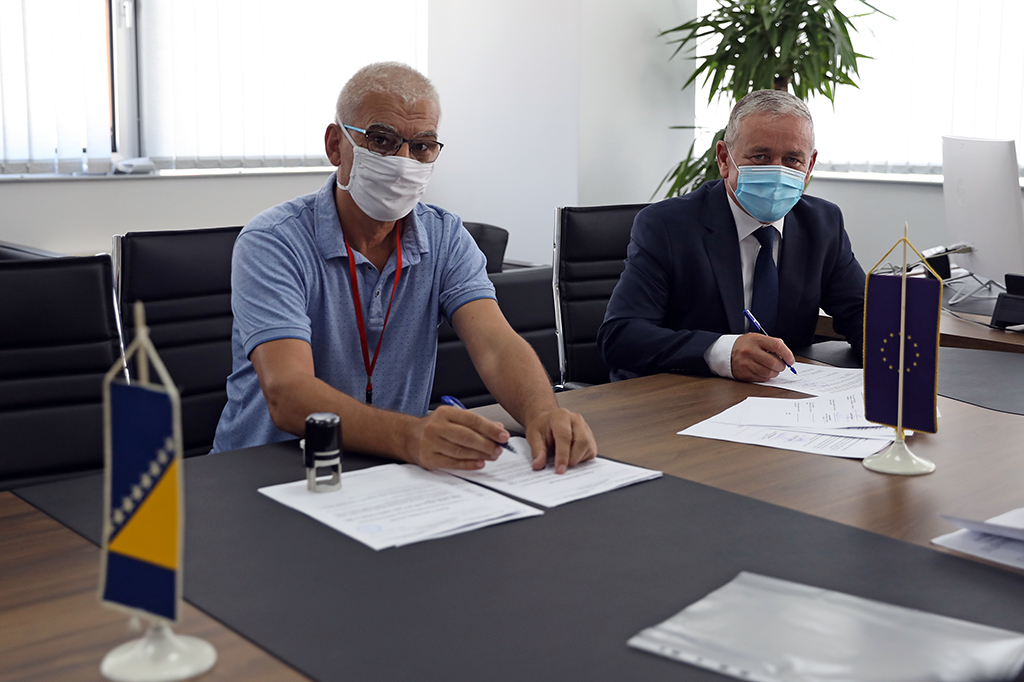
In the premises of the Ministry of Education, Science, Culture and Sports of Zenica-Doboj Canton, an Agreement on Understanding was signed today between Josip Martic, Federal Minister of Spatial Planning of BiH, Spahija Kozlic, Minister of Education, Science, Culture and Sports of Zenica-Doboj Canton, and representatives of public institutions whose renovation is planned. This agreement was signed as part of the “Additional Financing for the Energy Efficiency Project for Bosnia and Herzegovina” (AF BEEP), which is implemented by the Federal Ministry of Spatial Planning, with the World Bank loan funds. The renovation of another 28 facilities in Zenica-Doboj Canton was confirmed, along with the implementation of additional measures on 2 facilities that were previously part of the project. The realization of works is planned in the period 2020-2024.


“Almost 5 million BAM have been invested in renovation of 16 public facilities of educational and health institutions in Zenica-Doboj Canton since 2016, when the implementation of the Project began. The estimated annual savings amount to over half a million BAM, while CO2 emissions decrease by 1,045 tons per year. With the investments planned for the next four years, we want to provide a more pleasant stay for users and employees of these facilities, but also contribute to environmental protection. Previously implemented activities have proven the enormous benefits of the investments and I am very pleased with the implementation of the AF BEEP project,” said Josip Martic, Federal Minister of Spatial Planning of BiH.


By realizing the planned investments in the cities and municipalities of ZDC, such as Zenica, Tešanj, Kakanj, Maglaj, Zavidovići, Olovo and others, elementary and high school students will get the opportunity to spend their days in warmer and more energy efficient classrooms. Additionally, the contribution to the reduction of air pollution throughout the canton, caused by improper and inefficient combustion of fuels currently in use, is significant.


“Today begins the concretization of a very significant project for the implementation of energy efficiency measures, with the aim of improving the comfort in schools in our canton. Among the 28 facilities that will be renovated, there are those that are really inadequate for teaching, and whose quality we will definitely improve in this way. The value of this project is almost 11 million BAM, and we expect the works to begin in February next year,” said Spahija Kozlić, Minister of Education, Science, Culture and Sports of ZE-DO Canton.


The implementation of energy efficiency measures has been successfully completed at 55 facilities in the Federation of BiH in the past four years, into which over 25 million BAM have been invested. Annual savings are estimated at around 3 million BAM, and CO2 emissions have been reduced by more than 4,500 tons per year.

Five ways to protect the ozone layer

Since this is a dangerous environmental and health problem, we bring you five simple tips whose implementation will contribute to the protection of the ozone layer.

The ozone layer is an area of the Earth’s atmosphere composed mostly of ozone, after which it was named. The main characteristic of ozone is the fact that it is the only substance in the atmosphere that has the ability to absorb harmful ultraviolet (UV) radiation, which is why it actually represents the “last line of defense” against its harmful influences. The disappearance of ozone would completely disable the process of photosynthesis, which brings along the disappearance of flora and fauna, but also the human world. The main reason for its damage comes from human activities, as a result of which gases are emitted into the stratosphere, which then decompose the ozone molecules and thus contribute to the increase of the hole of this mantle. Since this is a dangerous environmental and health problem, we bring you five simple tips whose implementation will contribute to the protection of the ozone layer.


1. Use products that are labeled “ozone friendly” or “toxic free”


With the goal to create alternatives to products that are harmful to the ozone layer, it is possible to find products labeled “ozone friendly” or “toxic free” on the market. This signifies products whose composition is not harmful to the ozone layer. A diverse range of products are available today – from inhalers and printers, through balloons and satellites for measuring atmospheric greenhouse gases, to fire extinguishers that do not damage the ozone.


2. Reduce car use


Most cars are not made to help the environment. Moreover, research has shown that motor vehicle emissions cause 72% of nitrogen oxides and 52% of reactive hydrocarbons emission in the atmosphere, and both of these significantly damage the ozone layer. At the same time, statistics show that transport is responsible for almost 30% of the total CO2 emissions in the European Union, of which 72% comes from road transport. That is why it is important to reduce the use of cars as much as possible. Alternative options include public transport, cycling or simply walking. If you only use the car for transportation from one point to another, try to team up with others to pollute the environment less, while simultaneously achieving economic savings.


3. Dispose of old devices properly


Most cars are not made to help the environment. Moreover, research has shown that motor vehicle emissions cause 72% of nitrogen oxides and 52% of reactive hydrocarbons emission in the atmosphere, and both of these significantly damage the ozone layer. At the same time, statistics show that transport is responsible for almost 30% of the total CO2 emissions in the European Union, of which 72% comes from road transport. That is why it is important to reduce the use of cars as much as possible. Alternative options include public transport, cycling or simply walking. If you only use the car for transportation from one point to another, try to team up with others to pollute the environment less, while simultaneously achieving economic savings.


4. Shop locally


Buying local products provides you with several benefits. In this way, primarily, you get fresh produce, but also avoid consuming food that has traveled long distances. The farther the product travels to reach you, the more nitric oxide is created, due to the substrate used to transport the product itself.


5. Use air conditioners responsibly


Responsible use primarily refers to limiting the time the device itself is being used. In that sense, it is important not to keep the air conditioners constantly on. However, at the same time, it is important to maintain the device regularly, because their malfunctions result with chlorofluorocarbons, one of the most dangerous gases, going into the atmosphere


In addition to the above mentioned, there are a number of additional ways to save the ozone layer. Our bonus advice is not to forget the importance of advocating for the protection of this mantle. Put this topic on the agenda of one of the next conversations with your friends, and discuss with them ways you can jointly contribute to saving planet Earth.

Challenge Of The Month: Live With the Nature

Experts from the Bosnia Energy Efficiency Project (BEEP), implemented by the Federal Ministry of Physical Planning, emphasize the benefits of staying in nature and remind you to take care of nature, in order for it to take care of you.


After time spent in self-isolation due to the COVID-19 pandemic, and the currently limited movement outside the country borders, many have used their time to explore natural resources throughout BiH. The pleasant summer temperatures allow you to spend as much time outside the house as possible and enjoy nature’s benefits. Whether you decide to go for a walk, a hike, or maybe to camp on one of many lakes or rivers, being in nature is beneficial in many ways. But nature requires being treated with caution and respect, while people often forget how they should behave in nature and how important it is to preserve it. Experts from the Bosnia Energy Efficiency Project (BEEP), implemented by the Federal Ministry of Physical Planning, emphasize the benefits of staying in nature and remind you to take care of nature, in order for it to take care of you.


In their desire to explore many less accessible parts of the nature, people often don’t think about the consequences and the damage they inflict on both themselves and the nature. By such behavior, they contribute to the disappearance of flora and fauna and forest complexes. Forests are responsible for the production of the oxygen we breathe, and that is the most crucial thing many neglect when they stay in nature. By destroying forests, we contribute to the creation of the greenhouse effect, because forests are the best regulators of greenhouse gas emissions, which is a direct cause of global warming.


Another common problem, when it comes to people staying in nature, is fire. If you decide to light a fire in nature, whether to warm yourself or prepare food, you must keep several things in mind. The fireplace and fire-starting material must be located at a safe distance from any objects and surfaces that could be endangered by fire and smoke. If a stronger wind is blowing, it is mandatory to make an appropriate safety circle around the fire, but you should always be prepared to call the fire department in case of loss of control. Also, be sure to safely put out the fire after use and be careful where you throw cigarette butts. Even the smallest spark is enough to cause a huge disaster.


As you walk in nature, enjoying the beautiful landscapes and breathing the fresh air, pay attention to garbage. Always carry an empty bag for the waste with you, and throw the trash in the designated areas, not on the forest ground. If you see that someone had left some garbage behind, don’t be lazy to pick it up and throw it in the bin. Even the smallest pieces of garbage take a very long time to decompose and harm both the soil and plants, as well as animal species that live in nature. One plastic bottle takes 100 to 1000 years to decompose, chewing gum up to 5 years, apple bites 3 to 6 months and a plastic bag 450 to 1000 years. Respect the home of animals and plants just like you respect yours, and do not throw garbage where it does not belong.


By staying in nature, you reduce the use of cars and thus contribute to protecting the environment. A large amount of carbon dioxide emitted from vehicles has significant consequences for the environment, but also the health of people, animals, and plants. Entire ecosystems are endangered, because the combustion of fossil fuels releases toxic compounds such as CO2, benzene, lead particles and other solids that enter the soil and water from the air, thereby polluting them. In addition, a study conducted by the British Independent Institution for Scientific Research of Traffic Pollution found that the average family car produces 1,289 times more harmful particles while driving than exhaust gases.


Keep in mind that the more time you spend in nature, the less time you spend indoors, sitting at the TV, laptop, or staring aimlessly at your cell phone. Staying in nature contributes to your physical and mental health, strengthens immunity, improves sleep quality, calms and relieves stress, and is a great opportunity for exercise. While you spend time in nature, don’t forget to be careful about what you leave at home. Turn off all lights, turn off appliances and pull them out from the wall, but also leave heating/cooling at a moderate temperature until you return. By staying in nature, you use fewer electrical appliances at home and contribute to energy efficiency.


These are just some tips you need to keep in mind when you decide to spend time in nature, but they will help not only your life but our planet as well.

5 Mistakes People Do When Trying To Cool Down Their Living Space In Summer

Many are continually trying to find a way to cool themselves and their living spaces. Air conditioners are certainly one of the most commonly chosen options, but what mistakes do people make when trying to cool down?


Every summer we ask ourselves whether this is the hottest one so far. Are summers getting hotter, or are we becoming more sensitive to the heat as we are getting older? Age is not the problem, however global warming is. Research shows the temperature will be one degree higher in the whole BiH by 2030, with a rapid increase during the summer period, with uneven changes in the amount of precipitation.


Many are continually trying to find a way to cool themselves and their living spaces. Air conditioners are certainly one of the most commonly chosen options, but what mistakes do people make when trying to cool down? Experts from the Bosnia Energy Efficiency Project (BEEP), implemented by the Federal Ministry of Physical Planning, are bringing you advice on how to cool down as efficiently as possible on hot summer days/nights.


Put shades on your windows


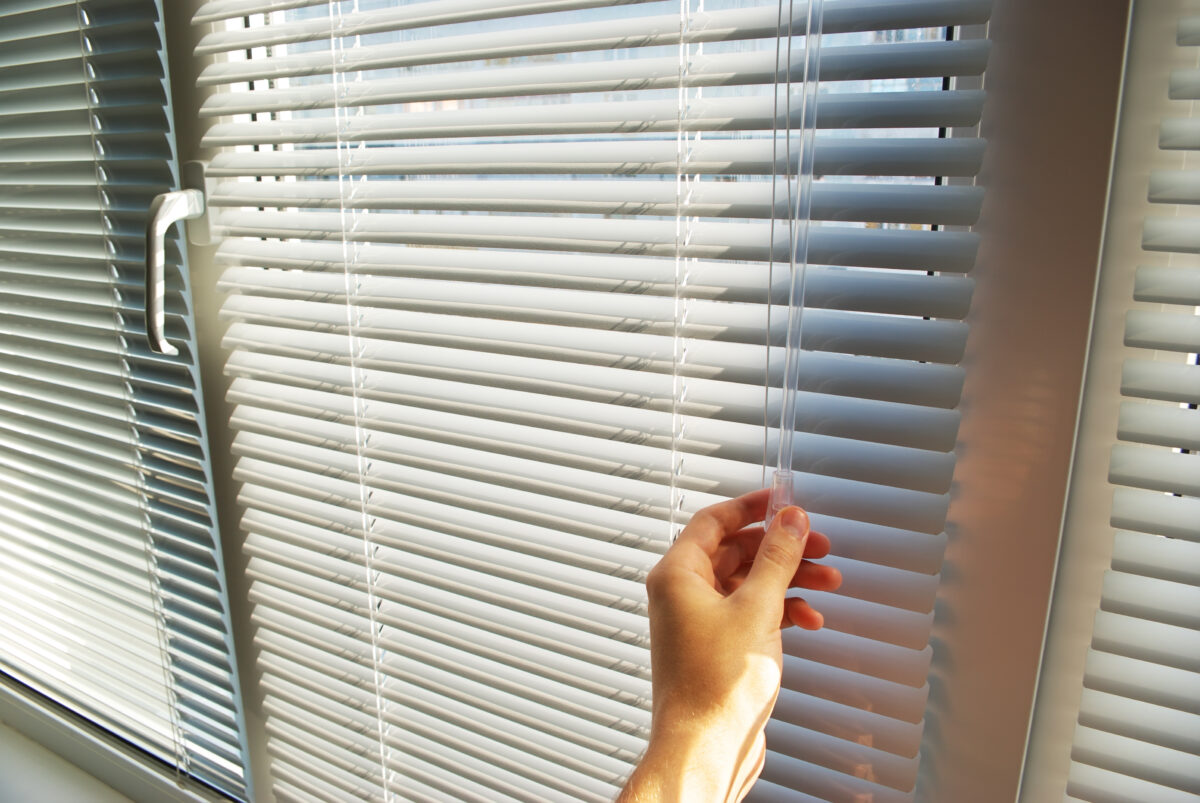
They might not be the shades that first cross your mind, but they protect your windows and therefore living spaces. Shutters, dark curtains or blinds – they all protect the rooms from outside heat and sunlight. For rooms on the lower floors, we advise you to turn the screens upwards to prevent heat penetration. In the evening, when the temperatures are lower, open the windows, remove all the shades from them and ventilate the room. And in the morning, close the windows, put the protection over them again, and leave the rooms darkened during the day.


Reduce the use of household appliances


Try to avoid using devices that further heat your living space during the day. Use appliances such as irons, washing machines, or dishwashers at night. Avoid the biggest source of heat – your oven – and try cooking outside (if you have that option) or wait for the night and then prepare meals for the next day. If there are devices you don’t use during the day, like computers, lights, or even the TV if it’s only turned on to “produce background noise” – turn them off. All these devices additionally heat your space and unnecessarily raise the temperature in your rooms. Cheaper electricity periods during the summer are from 23:00 to 08:00, so grab an iron while the evening breeze cools you. While you sleep, let the washing machine do its job, and you enjoy a pleasantly chilled room.


Save light


While we recommend that you use fewer lights in the rooms during the day, so that the rooms do not heat up more, it’s important to note that there are better alternative options when you need light. The so-called energy-saving light bulbs or compact fluorescent lamps (CFL) consume less electricity than ordinary incandescent bulbs for the production of same amount of light. At the same time, they have a longer lifespan than conventional light bulbs, by as much as 8-15 times. Mainly due to lower electricity consumption and thus less environmental contamination of fossil fuel power plants, various organizations are trying to increase the use of energy-saving light bulbs in many ways, and therefore to reduce the use of conventional light bulbs.


Less is more!


If you don’t have a fan, a hand fan, or a drink with a lot of ice in the fight against high temperatures, and you opt exclusively for air conditioning, then do it in moderation. We are never comfortable when we enter stores in which the temperature is often 15-20 degrees lower than outside. Therefore, keep in mind that the difference between the outdoor temperature and that in an air-conditioned room should not exceed 6°C. If you leave the place where you are staying, leave the air conditioner at a comfortable 25 degrees.


Think green!


Houseplants look fantastic, but they also consume hot air from the room for their natural processes. Plants can keep your house fresh because they lose water during transpiration, which cools the air around the plants, leaving it purified and clean. If you are looking for a natural and cheap way to keep your house cool, consider purchasing some of these plants, which can lower the temperature: aloe vera, ficus, fern, snake plant, or golden pothos. This way, the rooms will be nicer and more comfortable for you to stay in them. In addition to these tips, don’t forget to drink plenty of fluids during the summer days, wear light and airy clothes, and shower with moderately cold water to cool down.

5 lessons we can learn from one of the world’s greenest cities: Copenhagen

Sustainable development is one of the main topics in focus, however it cannot be achieved without a significant change in the way we build and manage urban space.


More than half of the world’s population today lives in urban areas, and it is estimated that by 2050 that number will increase to 6.5 billion, making up two-thirds of humanity. That is why sustainable development is one of the main topics in focus, however it cannot be achieved without a significant change in the way we build and manage urban space.


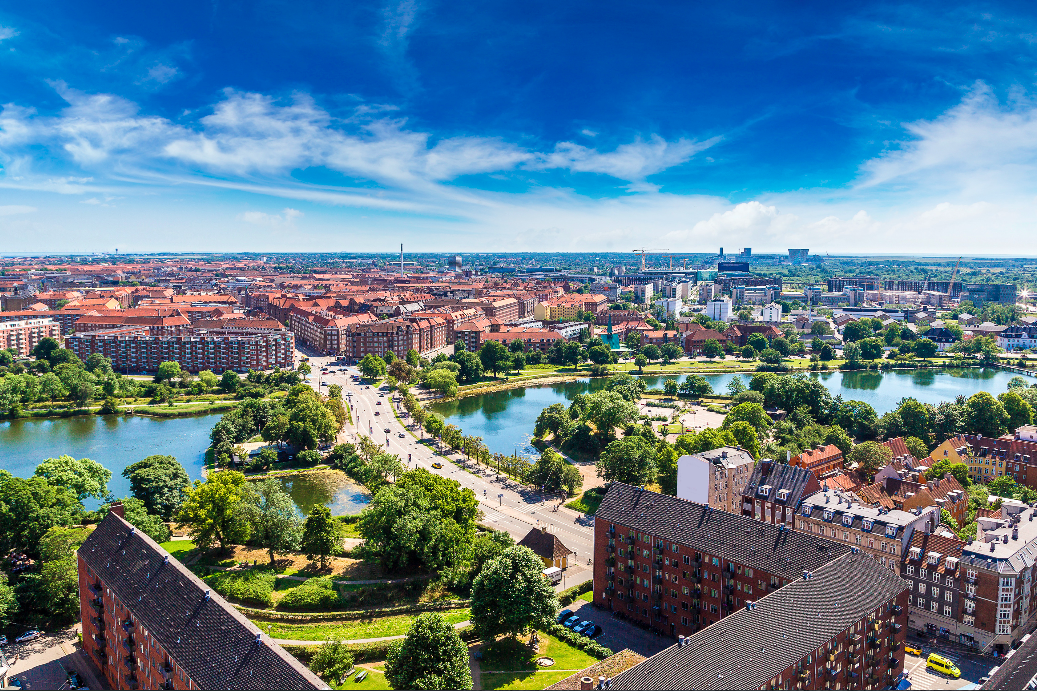
That is precisely what Denmark’s capital, Copenhagen, has had at the top of the list of priorities for many years, as have many of its citizens. Their Climate Plan for 2025 focuses on energy efficiency, renewable energy sources, and the city’s appropriate use of energy. This way, Copenhagen, through different projects and good practices, sets an example to the rest of the world as one of the world’s greenest cities, and a city that uses every opportunity to efficiently save energy and look for alternative versions of its supply.


Here are some of the examples that Copenhagen has long been successfully practicing. World: take notes and learn!


Garbage dump or sports facility?


CopenHill, also known as Amager Bake/Slope is located in the center of Copenhagen and represents the cleanest garbage dump in the world. This combined heat and power waste-to-energy plant, which is also a sports facility, annually converts almost half a million tons of garbage into pure energy, which supplies hundreds of thousands of houses in the area. It was opened in 2017, and alongside the nearby incinerator in Amager, it plays a significant role in Copenhagen’s ambitions to become a city without exhaust fumes by 2025. There is also a sports facility inside the facility, with a walking path on the roof of the 90 meters high building, a climbing wall on the side of the building, and a 400 meters long ski slope.


A driving utopia


Copenhagen is a unique city, characterized by its canals, cycling culture, a strong economy, and happy locals, as it is known as one of the happiest cities in the world. Most buses in this city are switching to electric power, while more and more traffic areas are dedicated to cycling. Furthermore, this is a city ruled by bicycles, so it is not uncommon to see parliament members coming to work every day using this particular means of transportation.


Cycling has been a part of life in Copenhagen for decades. After global oil prices increased in the 1970s, the craze for bicycles jumped in this once gloomy industrial city. So decades later, it only grew, becoming a recognizable part of this city in Denmark. If you prefer to explore the canals of Copenhagen, the boats have electric, solar motors and are made of wood from sustainable sources. Even if you accidentally fall into the water, all the canals are clean for swimming.


Sustainable city – one meal at a time 


Eating and drinking in Copenhagen are also some of the ways that locals cast vote for the environment. The city is Europe’s largest consumer of organically-grown food – with an emphasis on local whereever possible. Downtown, there is an entirely organic supermarket and several outlets of mostly-organic fruit and vegetable market chains (their name translates as “Your Backyard”).


This organic ethic has spread to many restaurants in Copenhagen, so you can get an organic sandwich, organic beer or wine any time of the day, and enjoy the fresh air in one of the terraces of the restaurants along Copenhagen’s canals. This practice does not only exist in markets and restaurants: more than 900 public kitchens today serve almost 90 percent of organic food, and in some places, the ratio of organic food is even higher. This especially applies to kindergartens, which serve children portions of healthy and freshly prepared organic food every day.


Eco-hotels


Finding a sustainable hotel in Copenhagen is actually easier than finding an unsustainable one, given that over 70% of all city hotel rooms have an official eco-certificate. Most hotels feature recycled furniture and carbon-neutral heating and cooling systems. The handling of waste products from the kitchen is another substantial investment in technology and the environment. Food waste in many hotels is emptied into large tanks, later transferred to bio-gas plants. The remains from this process are used to fertilize farmland.


The wind


The wind is an inexhaustible resource with the potential to reduce carbon emissions significantly, and Denmark is far ahead with wind use. Wind farms are a renewable and secure source of energy that prevents the creation of greenhouse gases and other environmental severe problems, such as toxic air pollution, acid rain and arsenic, lead, cadmium, and uranium in air, soil, and water. Denmark gets almost half of its electricity consumption from wind energy.


Whether it is taking advantage of natural weather conditions, growing organic food, building solar panels on houses, or buildings, we can learn a lot from Copenhagen. Regardless of whether we have a climate plan or not, our goal should be to preserve the Earth and focus on energy efficiency and renewable energy sources.

Contracts for the renovation of three additional public buildings in the Herzegovina-Neretva Canton signed

High School Prozor-Rama, Secondary Traffic School/Secondary Mechanical School in Mostar, and Center for culture “Narodni Univerzitet Konjic” are becoming energy efficient.

High School Prozor-Rama, Secondary Traffic School/Secondary Mechanical School in Mostar, and Center for culture “Narodni Univerzitet Konjic” are becoming energy efficient.


Within the Bosnia Energy Efficiency Project (BEEP), that is being implemented by the Federal Ministry of Physical Planning, three more facilities in the Herzegovina-Neretva Canton will become energy-efficient in the upcoming period. On that occasion, agreements between Josip Martić, Federal Minister of Physical Planning of BiH, and representatives of selected contractors, joint venture (Joint Venture – JV) Građevinar Fajić d.o.o. Mostar, Staklorad d.o.o. Mostar and HP Investing d.o.o. Mostar were signed today.


The three facilities energy efficiency measures will be implemented are the ones of the High School Prozor-Rama, Secondary Traffic School/Secondary Mechanical School in Mostar, and Center for culture “Narodni Univerzitet Konjic.” In total, more than 1.2 million BAM will be invested in their renovation.


“From the beginning of the implementation of the Project, back in 2016, until today, in Herzegovina-Neretva Canton, energy efficiency measures have been implemented on 15 facilities. Over 8.8 million BAM were invested in their renovation. In addition to significant economic savings, which amounted to slightly more than 1.1 million KM annually, we should not forget other benefits of the renovation of these facilities. On the one hand, this is a significant improvement in comfort for the users of each of the facilities. On the other hand, this is a significant contribution to the protection of the environment. At the same time, results achieved are an additional motivation for us to continue the implementation of the Project, in order to reduce consumption of energy in public buildings, but also to ensure a more pleasant stay for all citizens,” said Josip Martic, Federal Minister of Physical Planning of BiH.


Implementation of energy efficiency measures at these facilities includes works such as replacement of facade openings, thermal insulation of walls and roofs, replacement of lighting fixtures with more energy-efficient ones, installation of new pellet boilers, replacement of energy sources, etc. The implementation of energy efficiency measures has been successfully completed at 48 facilities in the Federation of BiH, in which 22.4 million BAM have been invested. Annual savings are estimated at 2.7 million BAM, while CO2 emissions have been reduced by 3.714 tons per year.