BEEP project educates children about energy efficiency benefits

Super hero Beepster visited schoolchildren in Sarajevo.

Super hero Beepster visited schoolchildren in Sarajevo


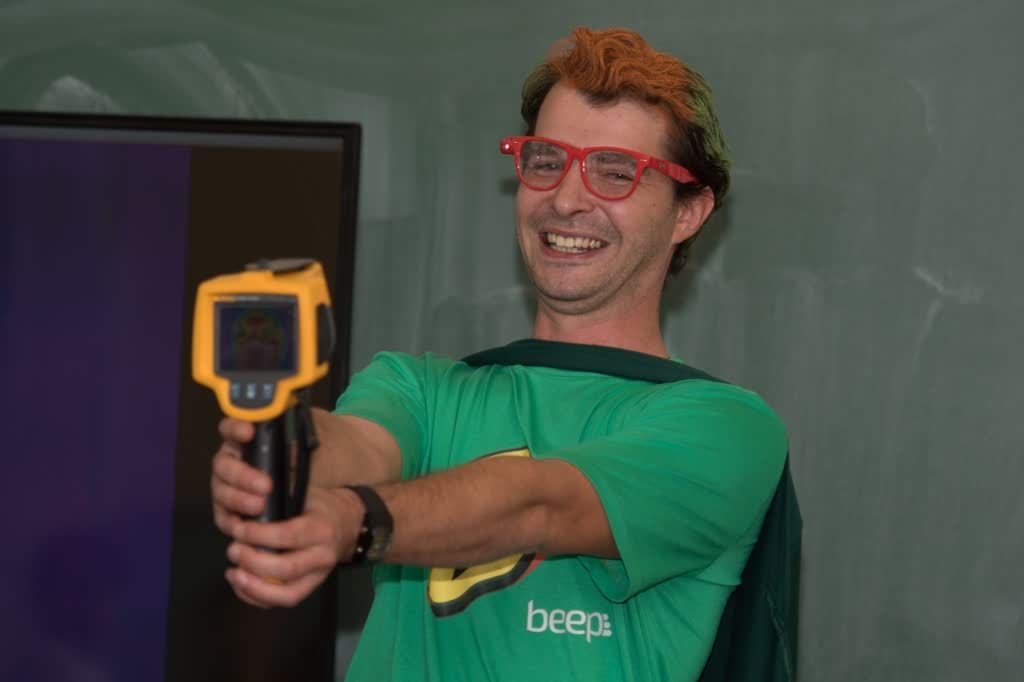
The education system in Bosnia and Herzegovina does not provide fully adequate knowledge of energy-efficient behavior for students. Therefore, Beepster a super hero from another planet that combines game, learning, and technology into a useful whole, arrives to help and transmit knowledge to children about the importance of energy efficiency.


b2


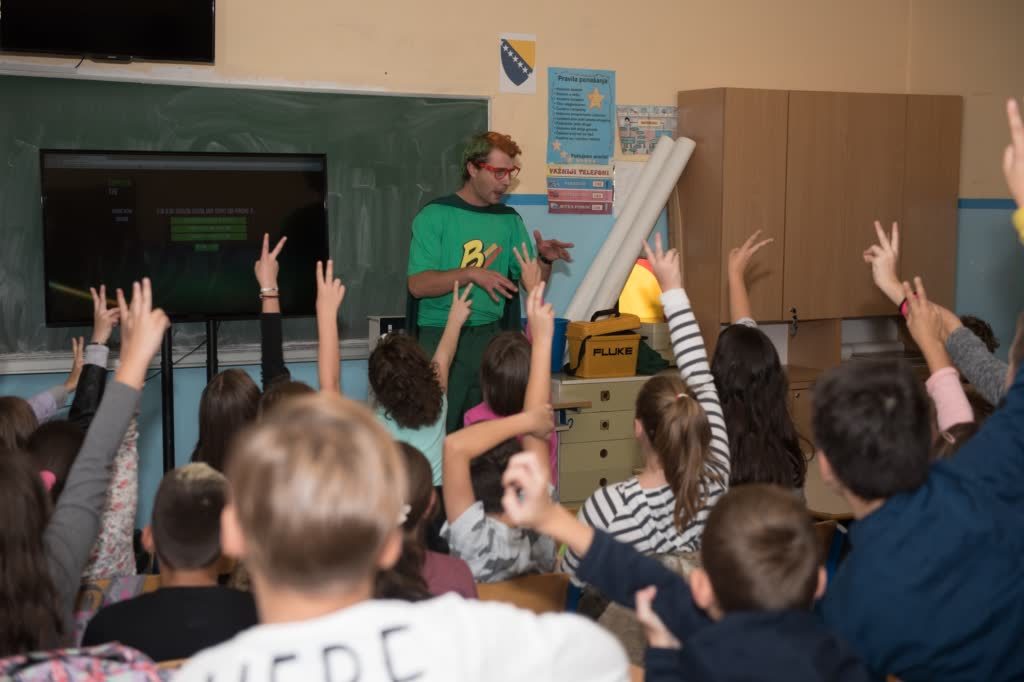
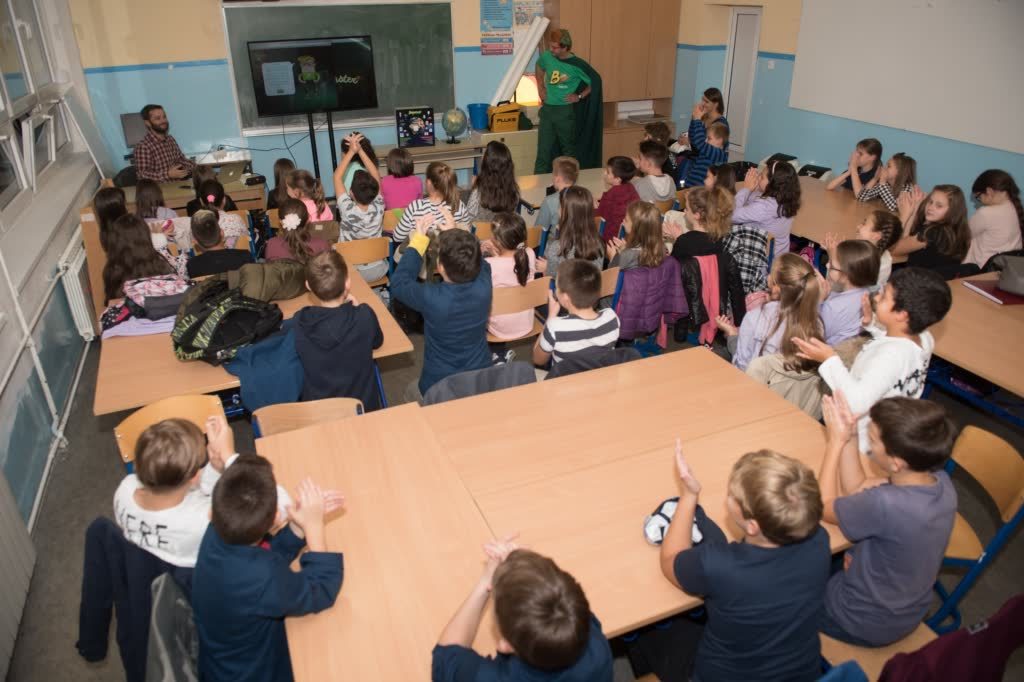
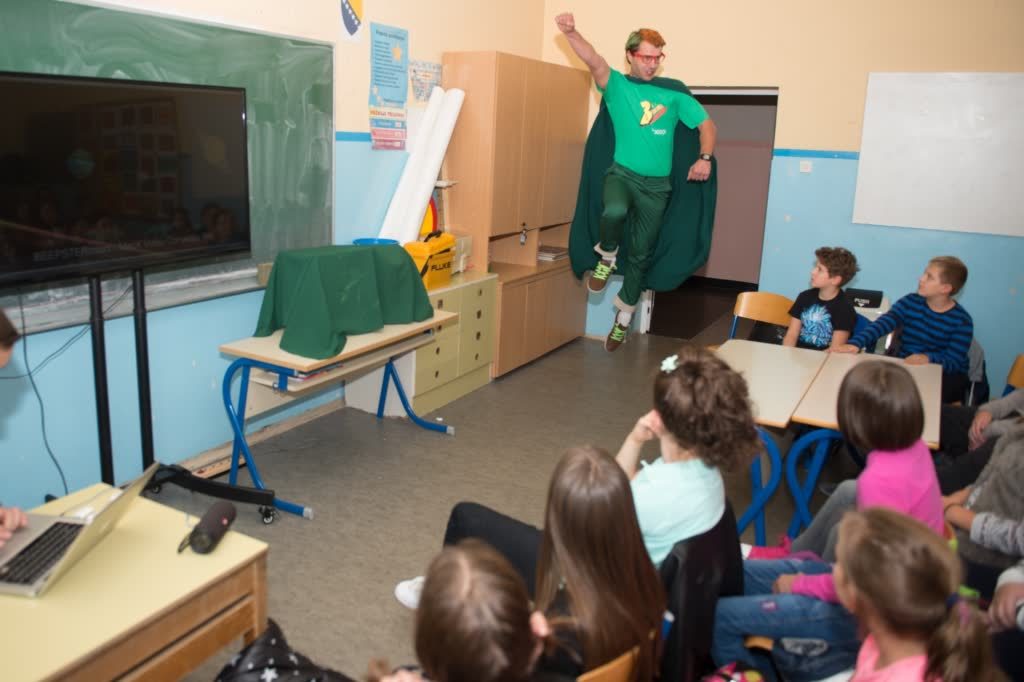
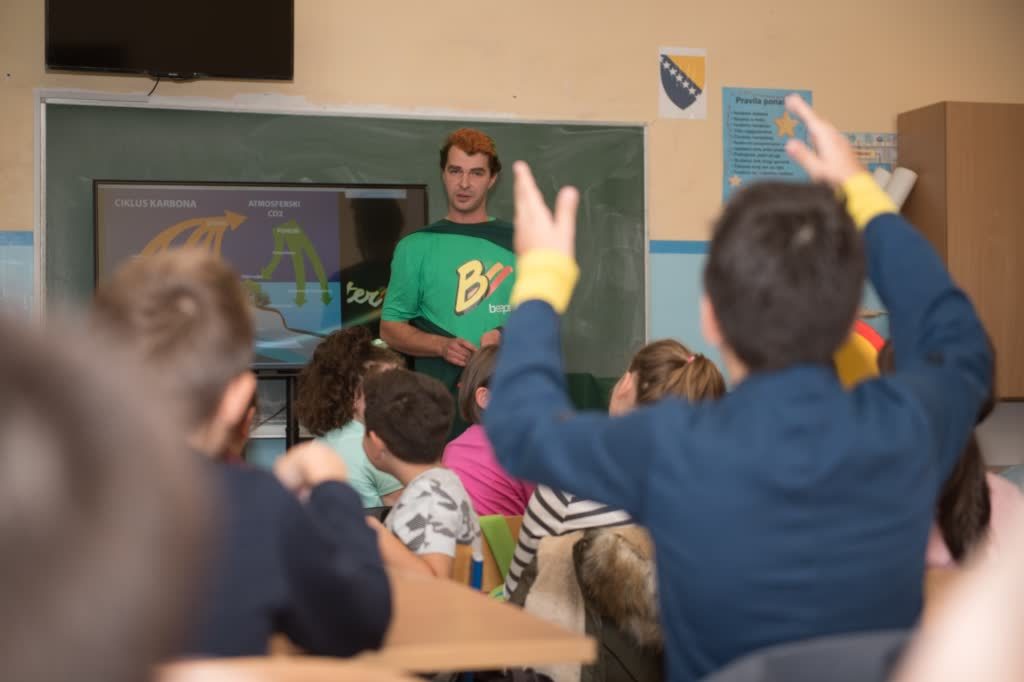
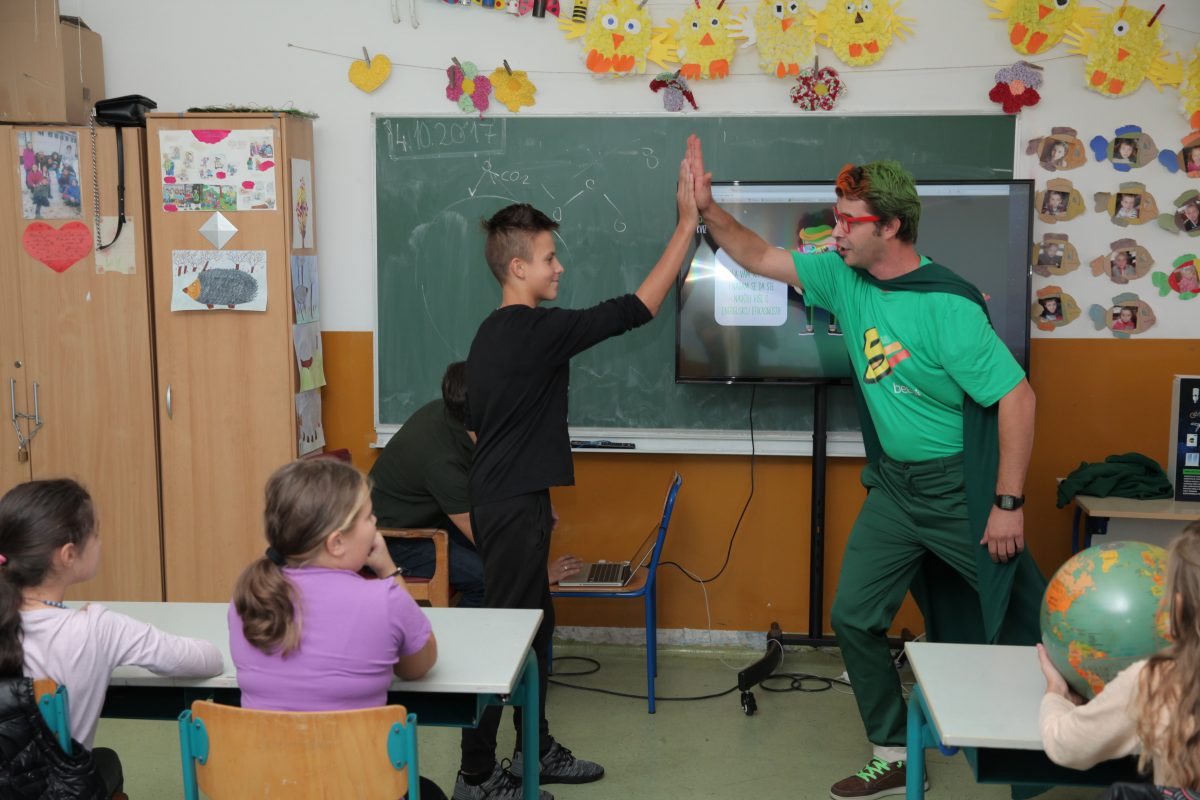
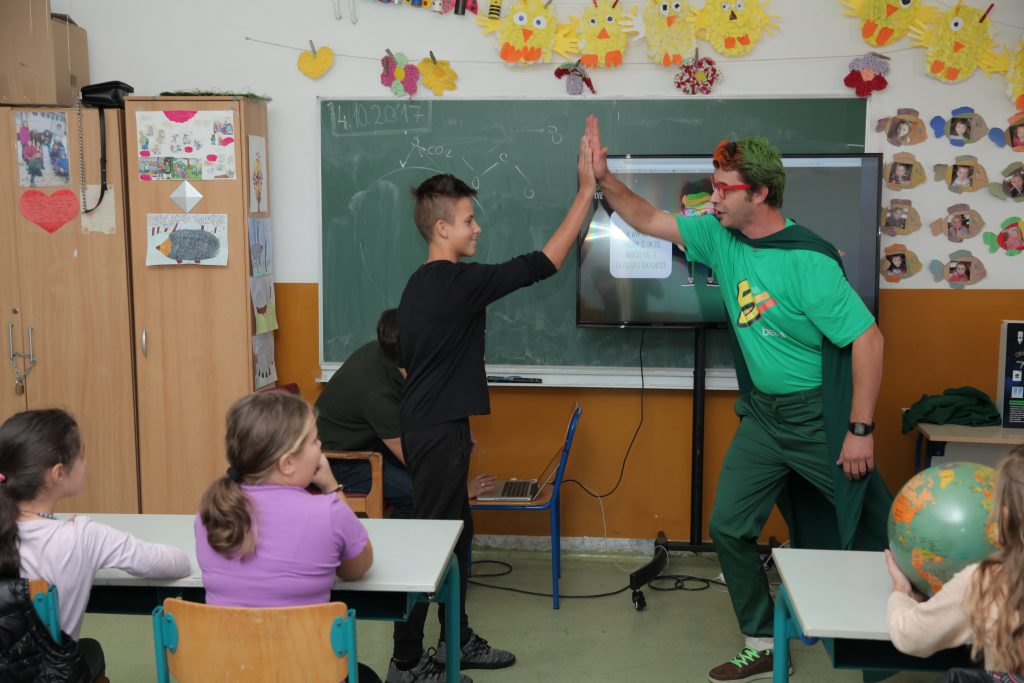
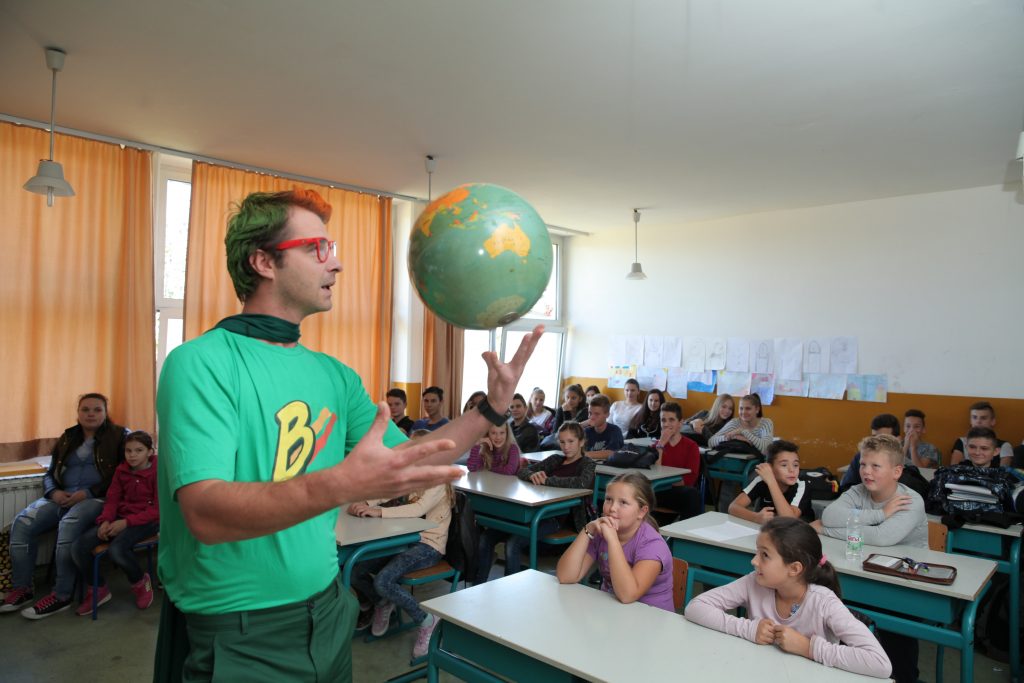
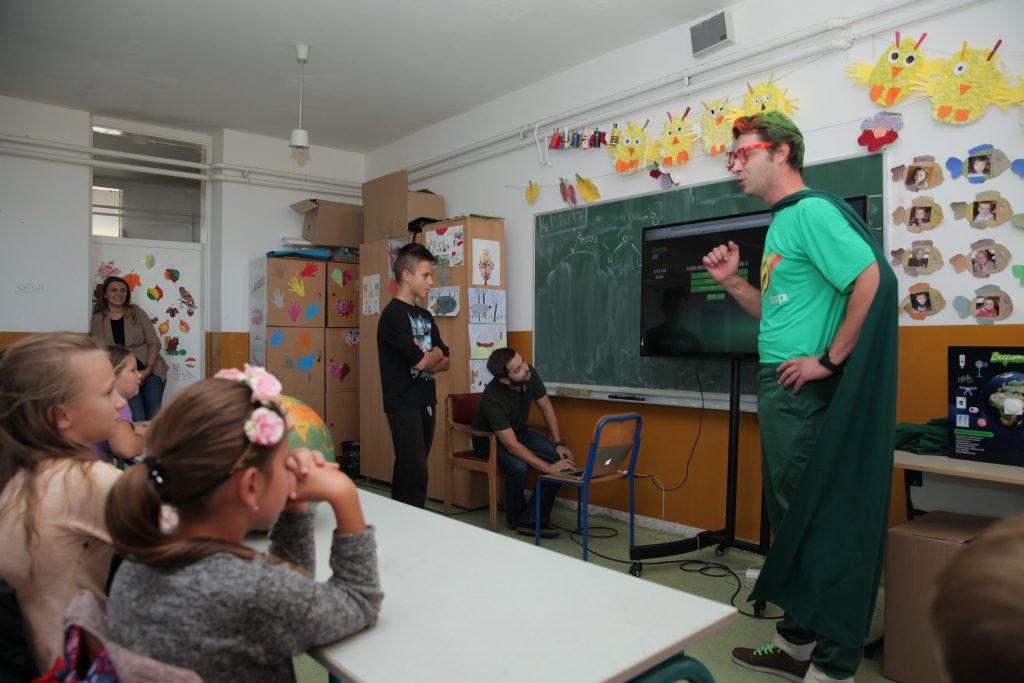
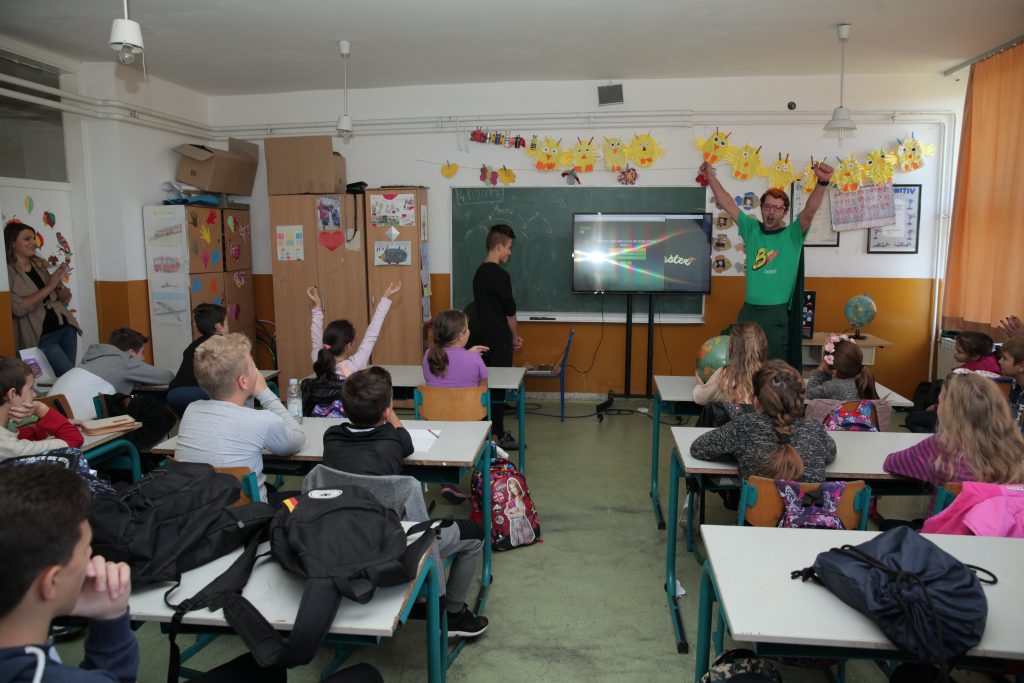
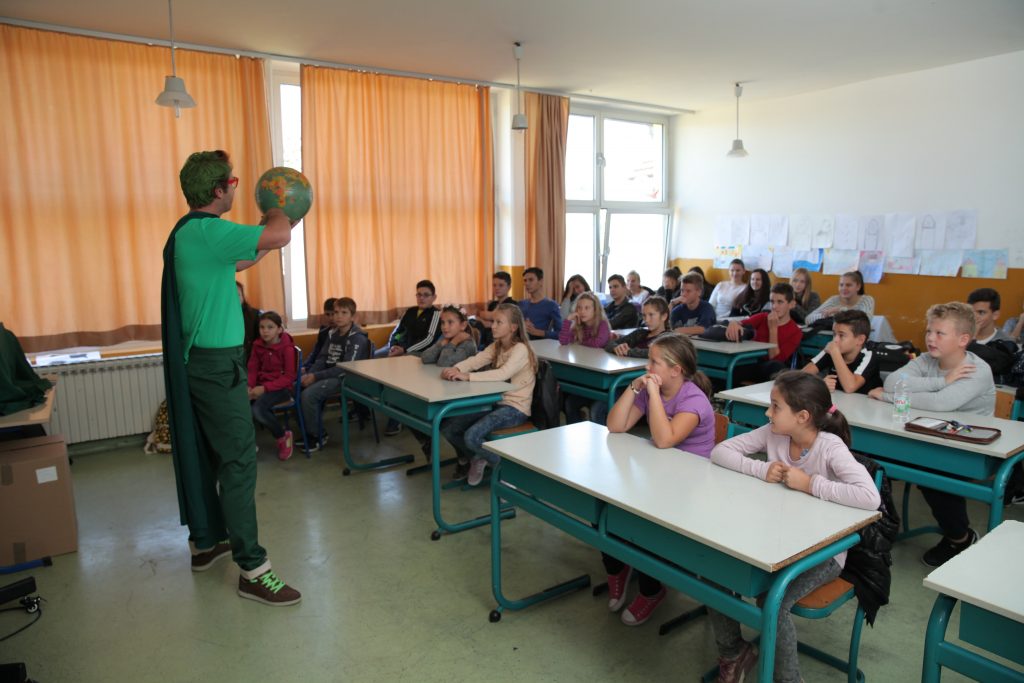
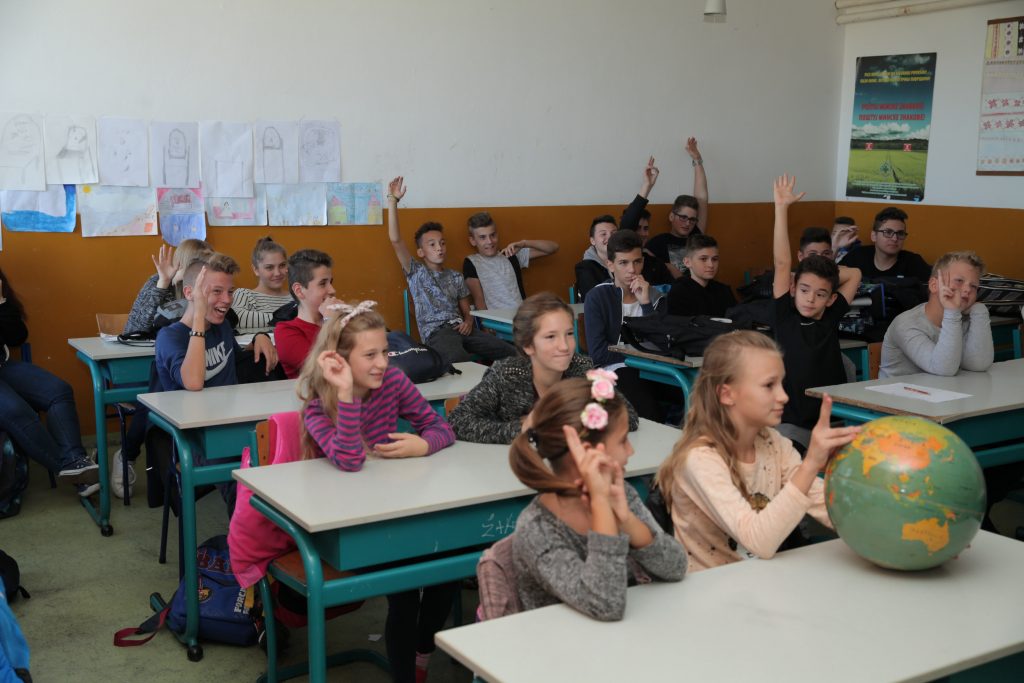
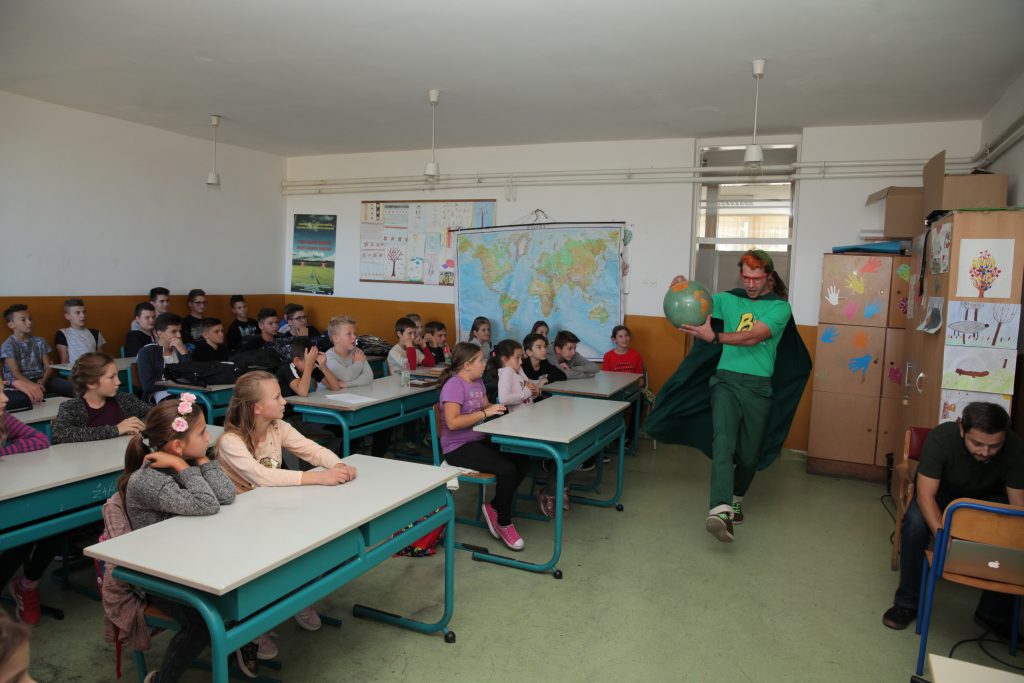
At the additional class in the “Isak Samokovlija” Elementary School in Sarajevo, Beepster convey an important message to students.


Your planet, your only home, is in great danger” – Beepster said to the surprised students. “Every time someone leaves the light in the day or left the charger plugged into the socket, without charging their mobile phone, tablet or other device, energy has consumed. With your energy-efficient behavior you can save the earth, “Beepster advised them.


b1


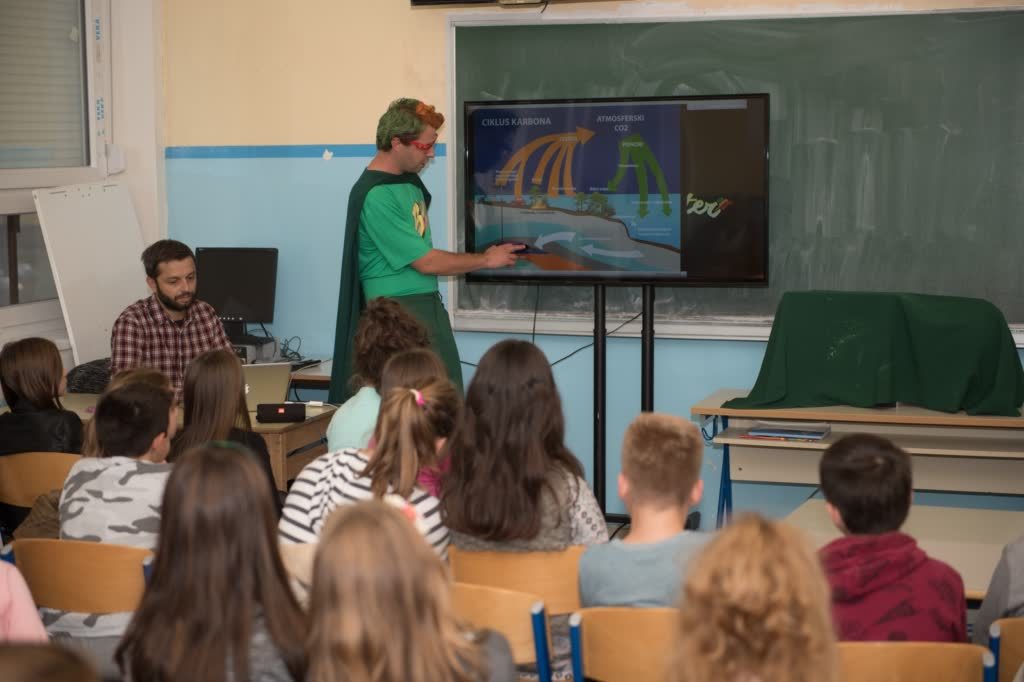
At Beepster’s workshop, the students had an opportunity to watch the animated film about climate change and take part in the interactive quiz BEEPomanija and check their knowledge of energy efficiency. Also, Beepster introduced them Beepomat, a device that easily illustrates how irrational use of energy from fossil fuels leads to global warming.


DSC_7032


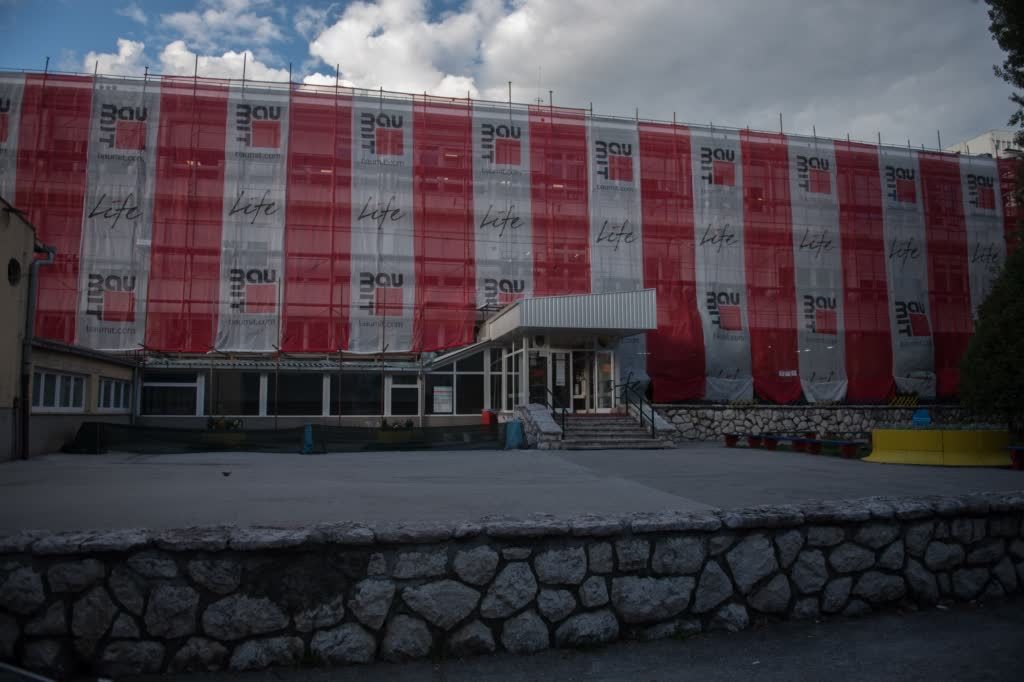
This type workshops are held in cities across Bosnia and Herzegovina, within the World Bank’s “Bosnia Energy Efficiency Project” (BEEP) project, in elementary schools that have been renewed or are in the rebuild phase.
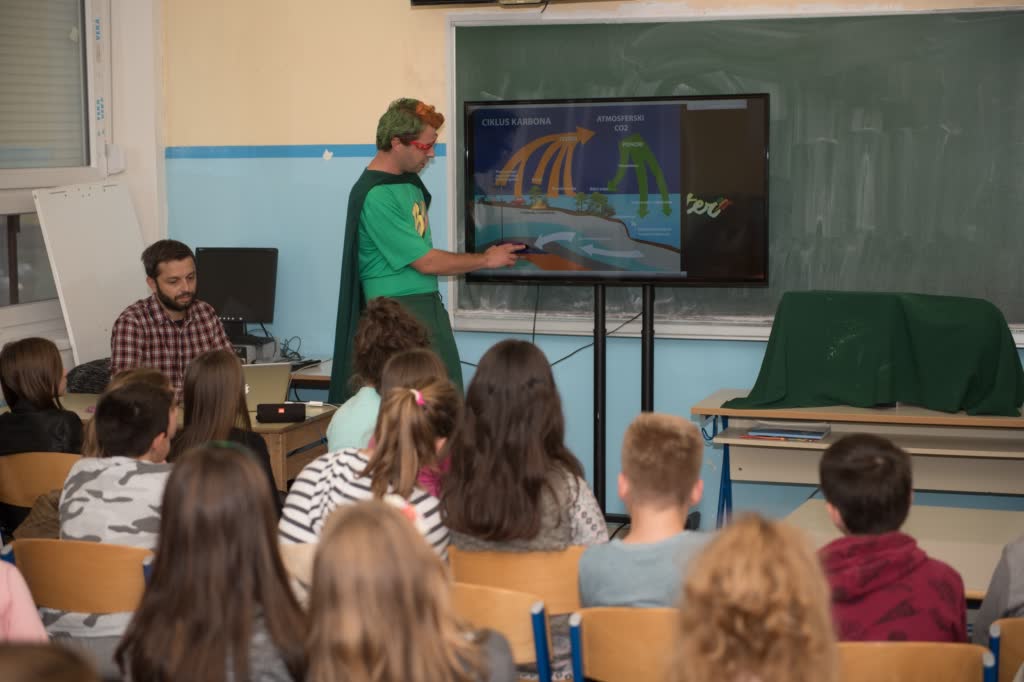
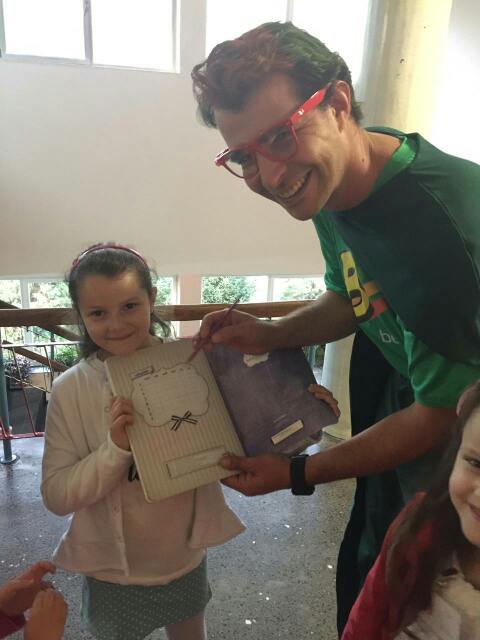
Beepster visited Elementary School “Isak Samokovlija” in Sarajevo

Energy efficiency measure implementation contract signed at KCUS Neuroscience Clinic

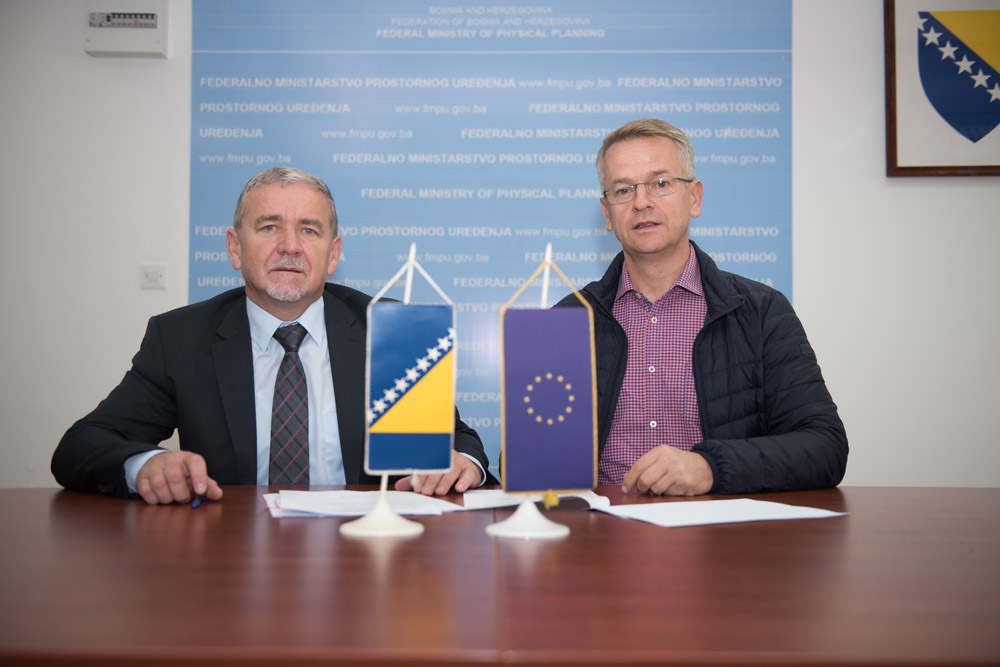
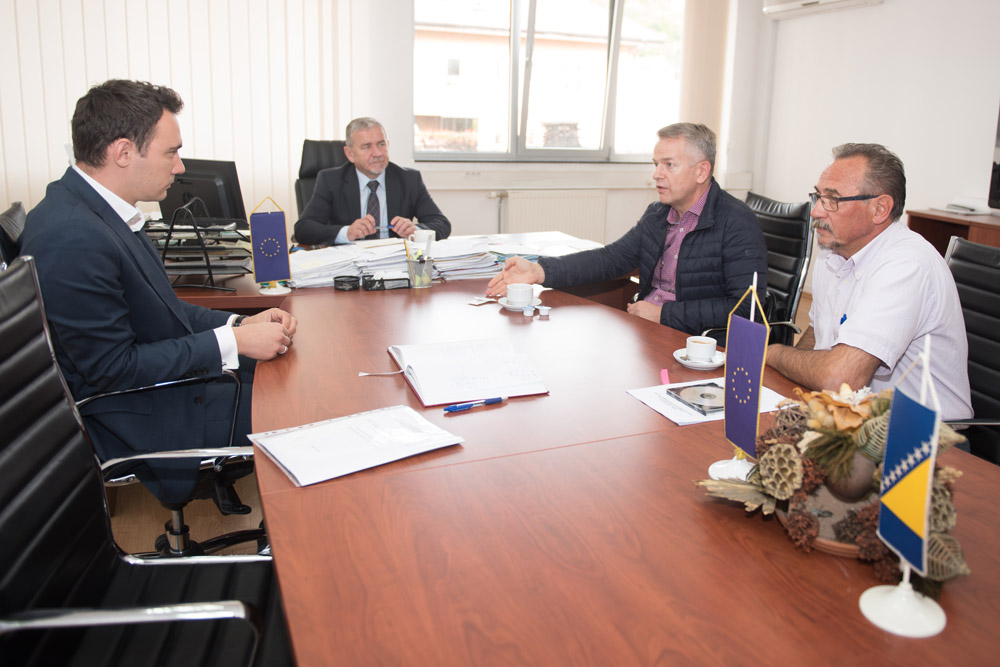
The contract was signed between Josip Martic, Federal Minister of Physical Planning and representatives of company ITC doo Zenica.

The implementation of the works will improve the patient’s living conditions as well as the quality of the work of this institution.


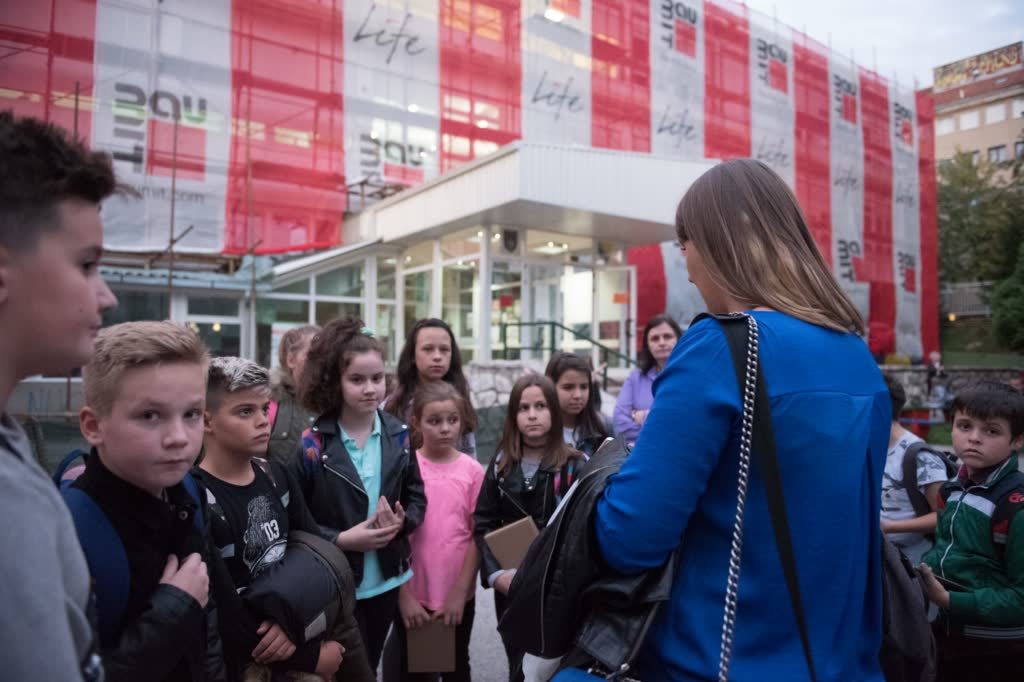
The KCUS Neuroscience Clinic is one of 14 public buildings on which this year, within the framework of the World Bank’s Energy Efficiency Project (BEEP), energy efficiency measures will be implemented, for which a contract was signed between Josip Martic, Federal Minister of Physical Planning and representatives of company ITC doo Zenica.


In the reconstruction of the facility will be invested about 1.240.000,00 KM with VAT, and the planned work will be realized in accordance with world standards in the field of energy efficiency. Concerning specific measures at the clinic will be, among other, implemented measures such as replacement of the orifice installation of thermal insulation and improvement of heating system.


DSC_6980


During contact signing, Minister Martic expressed satisfaction with the fact that the implementation of the works will improve the conditions of patient stay at the clinic, as well as the quality of these institutions employees work, and added: ” Energy efficiency measures implemented will reduce the need for energy, which will ultimately result in lower maintenance costs and higher financial savings.”


After the realization of the project, significant savings are expected on energy costs as well as CO2 emissions.


Training for energy managers at the level of municipalities and cantons

The sixth event “Advice on energy in B&H”.

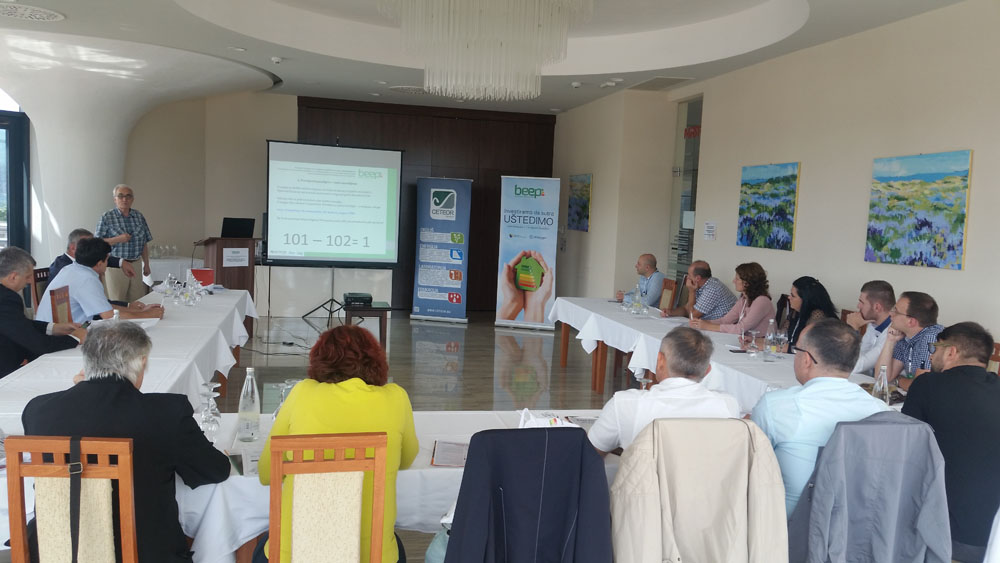
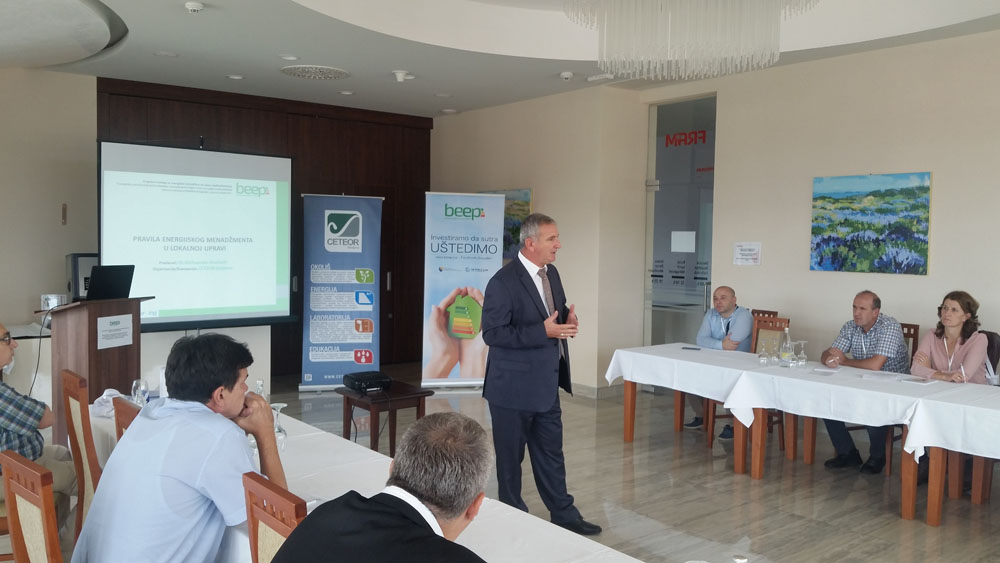
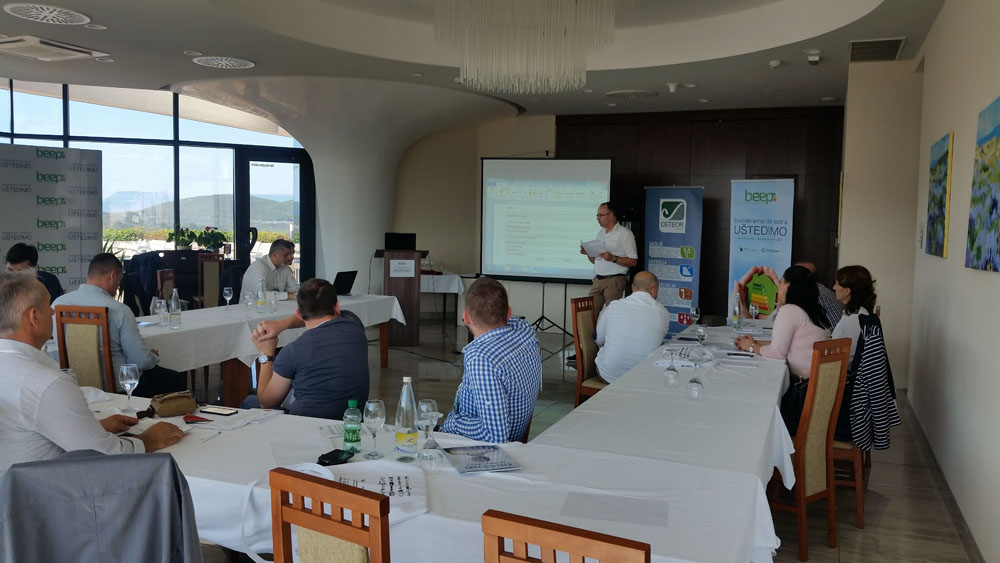
As part of the sixth event “Advice on energy in B&H” representatives of the World Bank’s largest project in B&H, about the energy efficiency – BEEP held a training for energy managers at the level of municipalities and cantons.


Training is designed and implemented with the aim of providing additional education on energy efficiency measures, for representatives of local communities, municipalities and cantons, where there are public facilities that were the subject of energy-efficient measures implementation.


Training topics were:


  • Energy management in local government
  • Legislation (Legal Framework) in energy efficiency field in F B&H buildings
  • Implemented measures and their effects analysis (qualitative and quantitative)
  • Advanced local energy planning
  • Innovative models of financing and contracting energy efficiency projects
  • Local Action Plans for Sustainable Energy


Before training, prepared written material is divided for easier tracking of the foreseen topics, to all participants, so that they can get acquainted with the content of the training, and had the opportunity to actively participate in training through planned tasks development. At the end of the training, tests were conducted to check the acquired knowledge, where all the participants demonstrated satisfactory knowledge of the matter in the subject area.


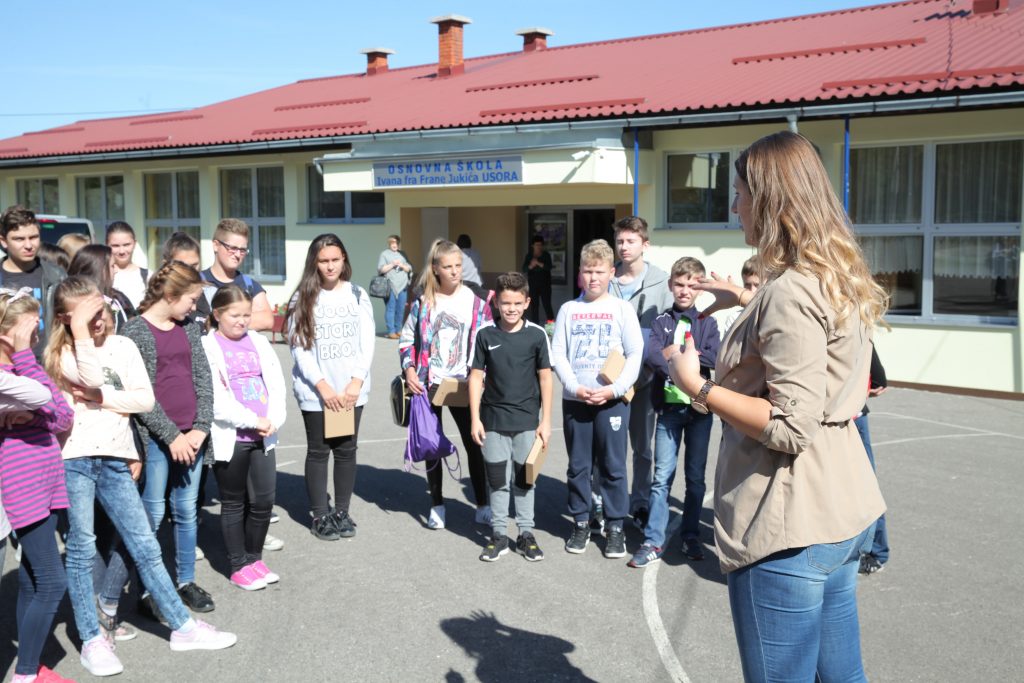
Beepster visited Elementary School Ivana fra Frane Jukića in Usora

BEEP at the two-day energy consulting in B&H

The Sixth Energy Council in B&H.

In certain parts of Bosnia and Herzegovina, the energy turnaround has already started, but for a systemic solution, state-level policy support and support is needed.


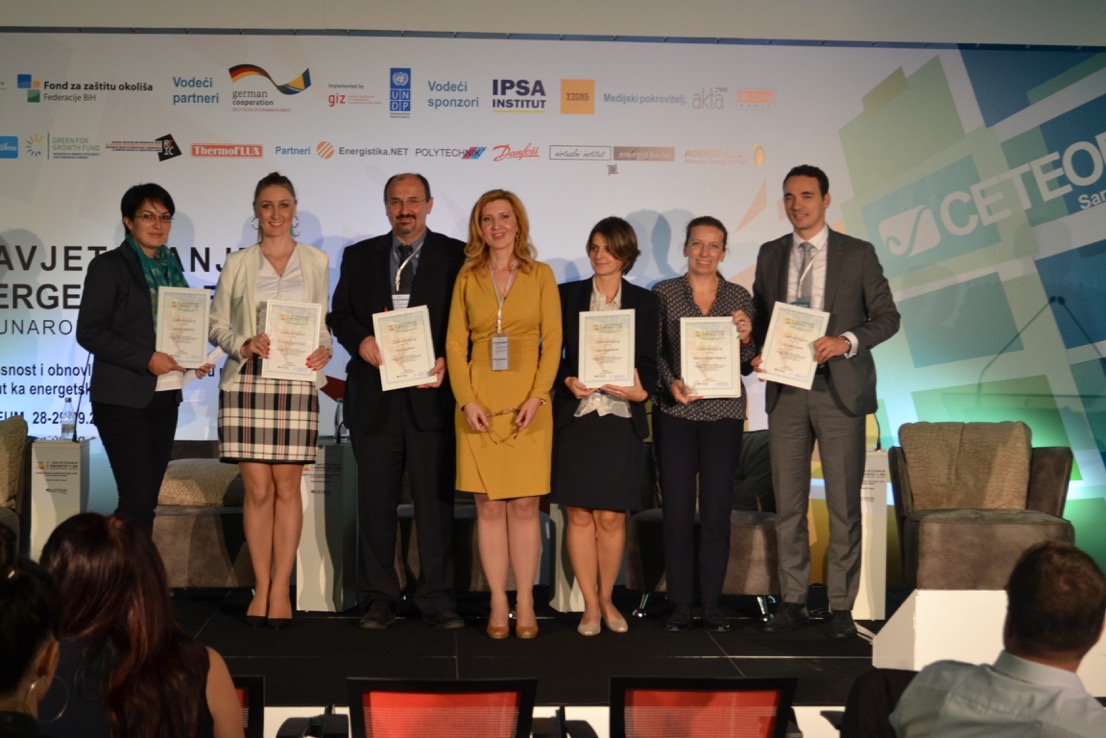
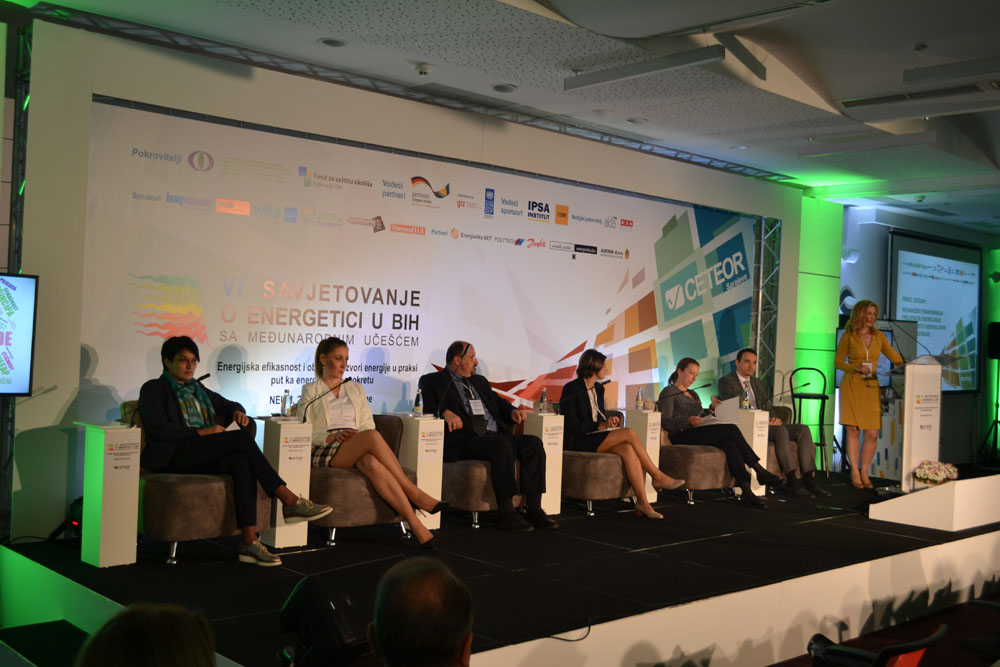
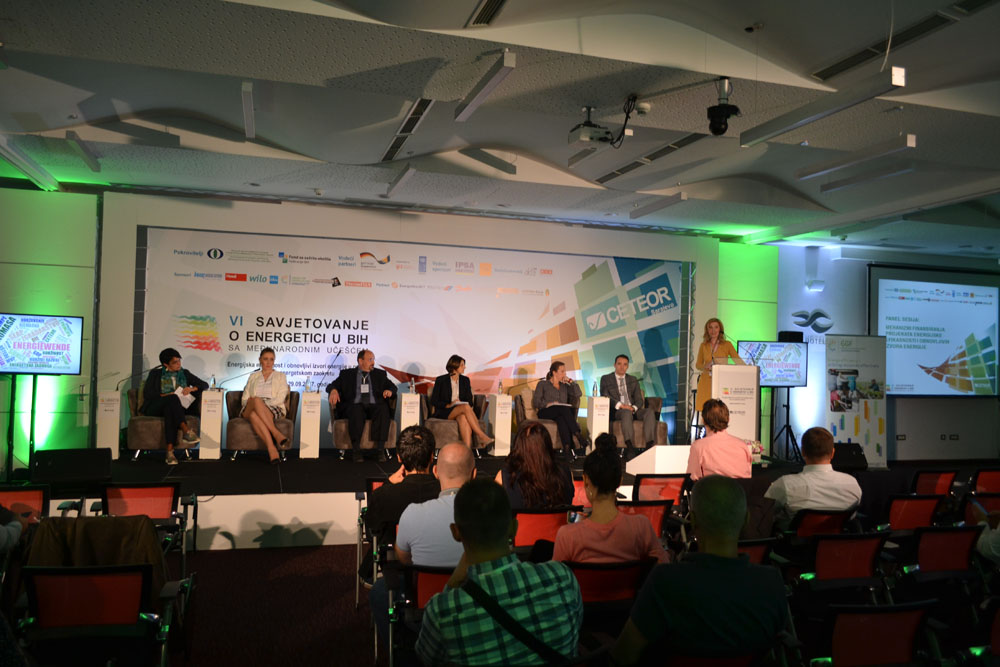
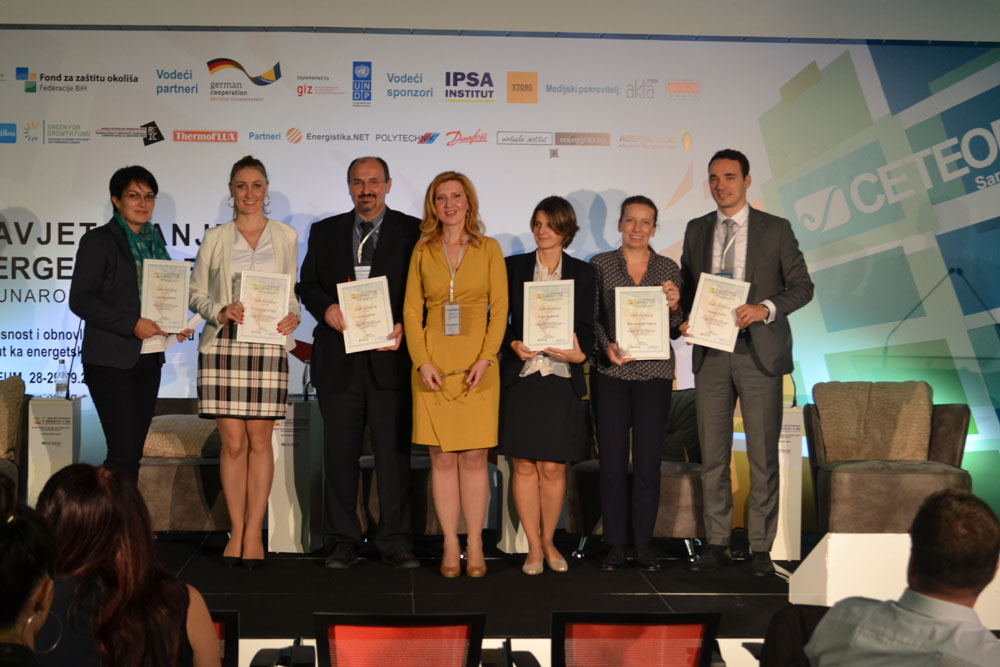
This was concluded last week on the Sixth Energy Council in B&H, held on the topic “Energy Efficiency and Renewable Energy Sources in Practice, the Way to Energy Turnaround”. This event in Neum has gathered more than 160 participants from B&H and the region, in order to exchange information related to current so as upcoming projects.


In the panel “Financing Mechanisms of EE and OI Projects” where the BEEP representative also participated, it has been emphasized that energy efficiency projects in B&H have so far been largely financed by foreign organizations, which is primarily concerned with the renovation of public health and education facilities. The real example of using foreign investment in energy efficiency in Bosnia and Herzegovina is BEEP project, whose goal is to create sustainable energy efficiency financing mechanisms in B&H.


Thanks to this project, in 2016, conditions for reducing energy costs were created in public facilities, as well as the conditions for more enjoyable and quality work and stay of users in 18 public buildings of the Federation B&H. This year, 13 public buildings are being implemented and the implementation of the first solar panels on individual facilities is expected.