Challenge of the Month: Improve the Energy Efficiency of your Home

If you, too, were one of those who adapted their daily routine so that staying at home is possible, this month’s challenge is tailor-made for you. We bring you some simple tips to help you improve the energy efficiency of your home and thus help reduce your energy bills.


As the COVID-19 pandemic spreads, messages on the importance of staying home are being sent daily. Experts point out that the responsible behavior of each individual is crucial for B&H, but also the rest of the world, to win this battle. If you, too, were one of those who adapted their daily routine so that staying at home is possible, this month’s challenge is tailor-made for you. We bring you some simple tips to help you improve the energy efficiency of your home and thus help reduce your energy bills.


Think about your habits


To reduce energy consumption in your home, it is not necessary to undergo a renovation of your living space or to replace all of the appliances. Energy savings can also be achieved through simple behavior changes. For example, do you turn off the light when leaving the room? Do you switch off devices you do not use? Do you always close the faucet when brushing your teeth or doing the dishes? These often neglected habits can significantly help you reduce your home’s energy consumption.


Dry your laundry outside


Spring is officially here and with it comes warmer weather, meaning you no longer have an excuse to use the dryer. Instead, let nature do the work and therefore reduce electricity consumption in your home.


Use the sunlight


Switching to daylight saving time has extended our day by a full hour, and you should make use of it. If you have blinds and shutters, remove them, and use sunlight instead of artificial light. At the same time, this will contribute to reducing energy bills as it will simultaneously be a source of light and heat.


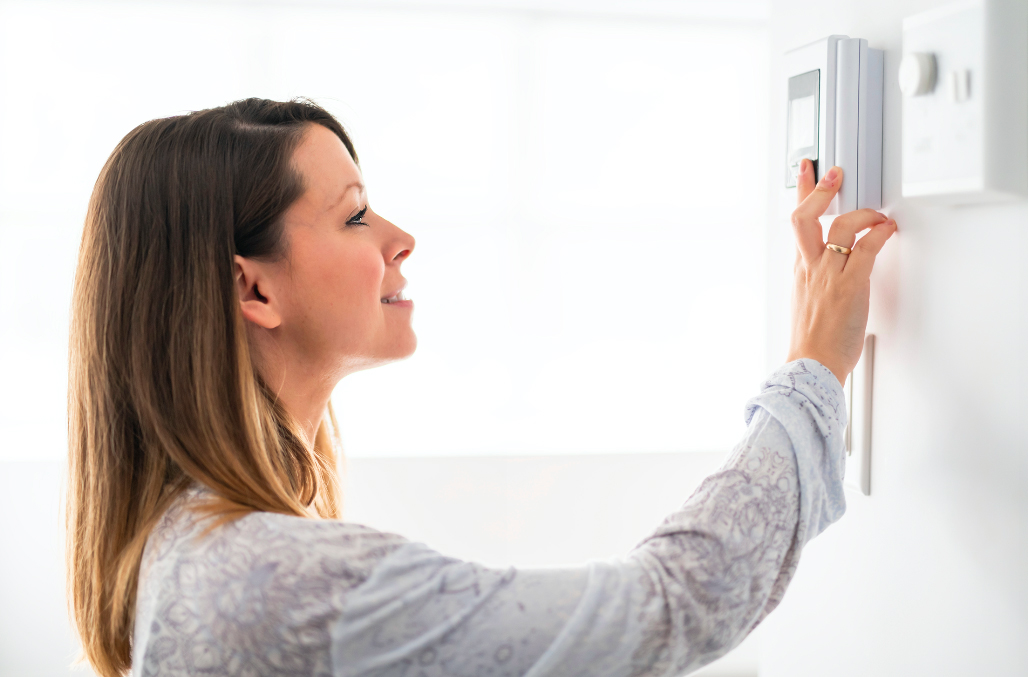
Adjust the temperature on the thermostat


Another benefit of warmer weather is the fact it warms up our living space. For this reason, it is essential to adjust the temperature of your home’s thermostat to prevent unnecessary energy consumption.


Use cold water


Water heating is one of the main reasons for daily energy consumption. Therefore, if not necessary, opt for cold water when turning on the washing machine and dishes. This will certainly help reduce your energy bill.
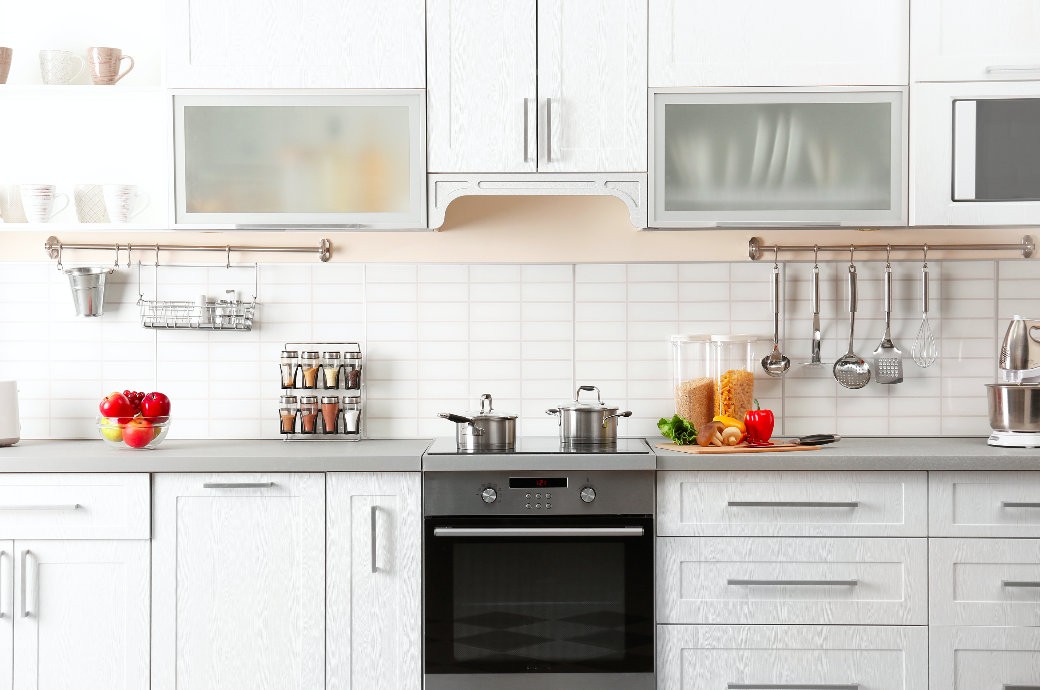
How to make your kitchen energy efficient?

If you are one of those who use the extra time to try out all the recipes that have been on the waiting list for a while, we bring you some tips that will make your kitchen more energy-efficient and thus reduce your energy bill.


The coronavirus pandemic has brought new rules, obligations, and responsibilities to everyone. Emergency state measures require staying at home and reducing interaction with people, which increases the amount of time we spend in our homes. If you are one of those who use the extra time to try out all the recipes that have been on the waiting list for a while, we bring you some tips that will make your kitchen more energy-efficient and thus reduce your energy bill.


Maintain your refrigerator and keep it full


The fridge is at the top of the list of devices that, on average, consume the most energy in a home, which is not surprising given the fact that it is always on, or active, to keep food fresh. Continuous use of each device affects its capacity, which is why its maintenance is essential. If you have one of the older models, consider replacing your fridge with a newer device that uses less energy. Also, keeping your fridge always full will help reduce energy consumption because the more items you have in it, the less electricity you need to cool it.


Use glass or ceramic dishes in the oven


What kind of dishes do you use when cooking? If your recipe calls for cooking in the oven, use glass or ceramic pans. The food will cook just as fast in these dishes, but you can keep the temperature about 10 °C lower than necessary, therefore reducing energy consumption.


Keep the oven door closed


Sometimes it is difficult to resist those chocolate biscuits while they’re in the oven, but opening the door while baking is bad for both the food and your energy bill. Each time you open the oven, you will lower its temperature, which means that it will need extra energy to return to the one it is set on. Instead of opening the door to check whether the food is done, rely on a timer, or turn on the light in the oven for a better look.


Turn off all unused devices


Whether it is a toaster, a coffee machine, or a mixer, there is an appliance or two in every kitchen that is not used as much. Be sure to keep these devices off if you do not need them, as otherwise, they will consume energy even if they are off.

Monthly Challenge: Smart use of electricity

We bring you some simple tips to help you with the efficient use of electronic devices.


Every March, Energy Efficiency Day is celebrated around the world, in honor of the first meeting of world experts focusing on this topic, held in 1998 in Austria. This day is an ideal opportunity to remind ourselves of the importance of smart energy use. This is why the efficient use of electronic devices is in the focus of this month’s challenge. We bring you some simple tips to help bring this challenge into reality.


Turn off the energy “vampires”


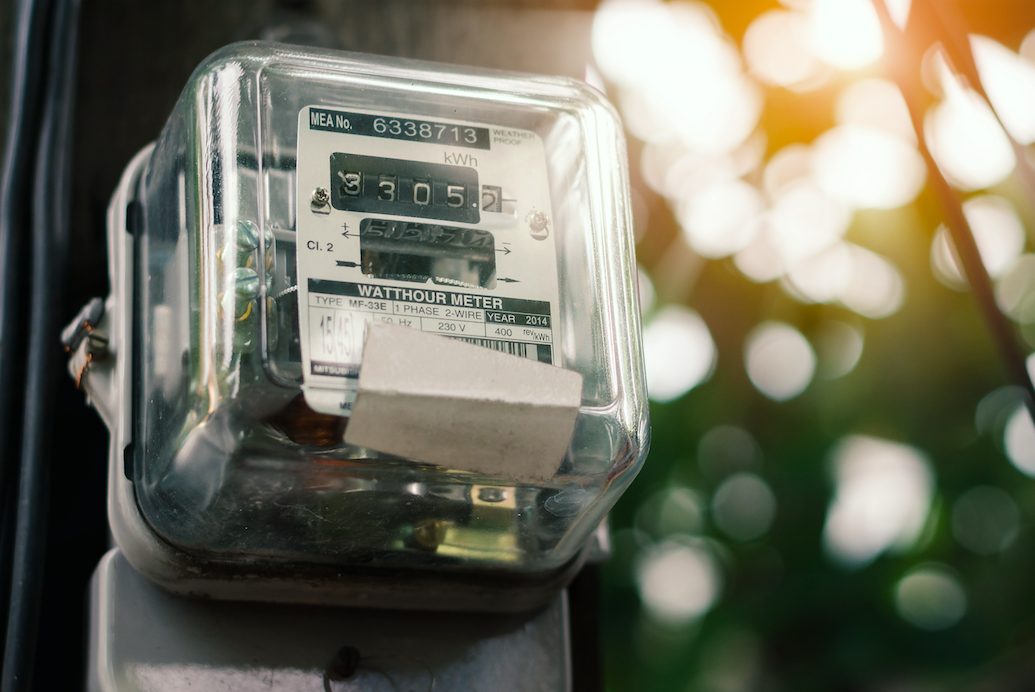
“Vampires” are electronic devices that consume energy even when not in use, because they are not entirely turned off, but are instead on the stand-by option. Most home appliances automatically switch to this mode as it allows them to re-start quickly. This subtle use of energy has a significant effect on the total amount of energy consumed in your household over a more extended period, so remember to turn off all your appliances when they are not in use.


Use warm water wisely


Taking a bath or a shower, as well as doing laundry and dishes, are some of the most common reasons for using hot water at home. Taking shorter showers, using a dishwasher instead of washing the dishes on your own, as well as doing laundry at lower temperatures are just some of the ways to make smarter use of water, which will undoubtedly result in lowering your bills.


Consider using energy-saving gadgets


Some devices can help you control energy consumption in your home. For example, some chargers allow you to charge multiple devices simultaneously, while automatically turning off when the devices when they are fully charged, thus preventing already mentioned “vampire” power consumption. Another similar device is the smart thermostat that will help you control your heating system, therefore ensuring that your living space does not heat up more than necessary.


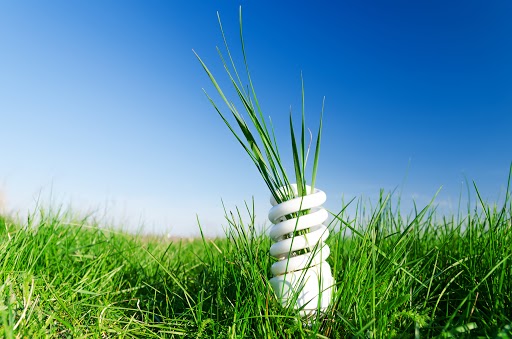
Use light bulbs


This energy-efficient measure is among the most commonly mentioned ones. Have you ever wondered why? Because, when compared to the ordinary ones, energy-saving bulbs heat up less, which automatically means they consume less electricity. The most common reason for considering switching to LED lighting is the temperature of the colors emitted by the lamps. Hence, it is important to note that there are several types of temperature colors of energy-saving lamps, such as warm white, natural white, and cold white.

Implementation of Bosnia Energy Efficiency Project (BEEP) continues

The implementation of the Project will continue at the same pace in the upcoming period, as seven new public buildings in the FBiH will receive a new, energy-efficient attire. Five of these objects are health institutions, while two are educational ones. All seven are in the area of three cantons: Herzegovina-Neretva Canton, Sarajevo Canton, and Canton 10.


Since 2016, energy efficiency measures implemented within the Bosnia Energy Efficiency Project (BEEP) have been implemented in the buildings of public institutions in the Federation of BiH. To date, more than 22 million BAM has been invested in the reconstruction of 48 buildings, reducing CO2 emissions by 3,714 tones per year. In addition to increasing comfort for more than 410,000 users, the Project also results in savings of over 2.7 million BAM per year.


Buildings of high social importance, such as ones of educational and health institutions, are in the focus of the Project, along with other public buildings. Since the start of the implementation of the Project, a total of 48 facilities have been renovated, 35 of which are educational, 8 are health, and 5 are other public institutions.


The implementation of the Project will continue at the same pace in the upcoming period, as seven new public buildings in the FBiH will receive a new, energy-efficient attire. Five of these objects are health institutions, while two are educational ones. All seven are in the area of three cantons: Herzegovina-Neretva Canton, Sarajevo Canton, and Canton 10.


All work will be done according to international energy efficiency standards. Objects that will be a part of the Project in the upcoming period are High school for Environment and Wood Design in Sarajevo, Secondary Traffic school/Secondary Mechanical School in Mostar, Ambulance Building in Capljina, Prozor High school in Prozor-Rama, Ambulance Building in Citluk, Primary school “Drvar” and Center for Culture “Narodni Univerzitet Konjic.” 


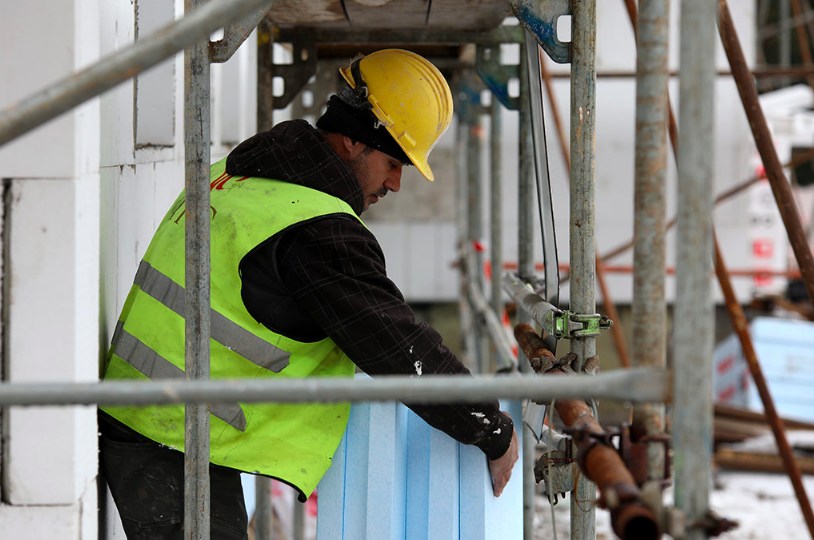
Renovation of these facilities, which includes implementation of measures such as window replacement, thermal insulation of the facade, and replacement of exterior joinery, will undoubtedly improve the living conditions of users and employees of these institutions. Implementation of Bosnia Energy Efficiency Project (BEEP) continues

Creating Healthy Habits: Elementary students in B&H learned about energy efficiency

Educational and entertaining workshops for students of 13 elementary schools were held.


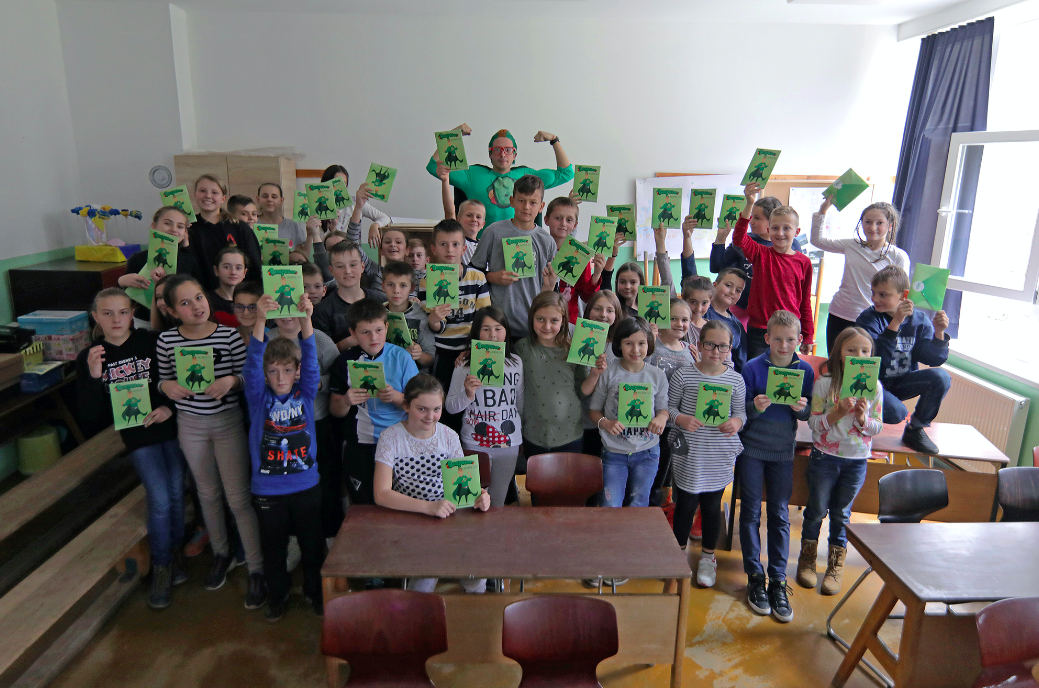
For the past few months, students from 13 elementary schools in Bosnia and Herzegovina have been visited by the superhero Beepster, who has once again arrived to the planet Earth. With the aim to contribute to creating healthy habits from their early age, this superhero has taught the pupils about the importance of energy efficiency as a way to save our planet from the dangers it is facing. Through both educational and entertaining workshops, the superhero shared tips on how to become heroes and contribute to a healthier future.


“This kind of workshop is fun for the youngest generations, but at the same time, they are very educational. They are especially important when we consider the place technology is taking up in our lives today. It is important that we show the kids how they should behave in these conditions, as well as how to behave smarter to help planet Earth.” said superhero Beepster.


Educating the youngest generations is an investment of knowledge and time beneficial in many ways. It is crucial for developing awareness of the importance of energy efficiency. At the same time, it is essential for improving the possibility of young people devoting their energy to such topics in the future, and to contribute to the creation of a healthier environment through their innovative solutions.


“It is important that children learn they need to turn off the lights after leaving the room, turn off the appliances instead of leaving them on stand-by, as well as keep the water off while brushing their teeth or washing their hands. It’s all a waste of energy,” the superhero added.


The process of combining education and fun into a useful whole has been further enriched by the use of new technologies, which take up an essential place in the daily lives of these generations. That’s why the superhero Beepster introduced Beepomat, an interactive educational device that showed pupils how energy-efficient behavior could save the world, along with a special camera, with the help of which he demonstrated the appearance of the devices when they use energy, compared to the ones that are turned off. The workshops were held in Sarajevo, Gorazde, Zenica, Olovo, Zavidovici, Jajce, Kiseljak, Breza, Gracanica, Srebrenik, and Zivinice, as a part of the Bosnia Energy Efficiency Project (BEEP), which is being implemented by the Federal Ministry of Physical Planning with the credit debt from World Bank.


“Rescuing the Planet is our common mission,” the pupils concluded at the end of the workshop, noting that the superhero Beepster could continue his journey through the galaxy, as Earth now has many new guards.

Five tips to help you reduce your energy consumption today

If a lower energy bill is on the top of the list of reasons to look forward to warm spring days, here are some tips to help you reduce your last month’s bill this calendar winter.


Despite the fact that spring is officially coming in a little over a month, we still feel the cold winter days, and judging by the weather forecasts, it will stay that way in the upcoming period. If a lower energy bill is on the top of the list of reasons to look forward to warm spring days, here are some tips to help you reduce your last month’s bill this calendar winter.


Avoid washing dishes by hand

Hand washing dishes require a lot of warm water and, therefore, a lot of energy. This is especially important when there is a large number of dishes. On the other hand, most dishwashers today have energy-efficient settings, which most often allow you to wash large quantities of dishes with less water and energy.


Turn off the drying option in the dishwasher

Most of the energy consumed by your dishwasher is used to heat water. When it comes to the process of drying the dishes, it operates on the principle of hot air, which turns the water drops on the dishes into steam. This speeds up drying, both saving you time and eliminating the extra effort of wiping the excess water with a cloth. Even though, on the one hand, this may seem to save you time, in the long run, drying is just an additional expense. Instead, try turning off the drying option and leaving the dishwasher door partially open after it finishes washing and waits for them to dry on their own before removing them from the machine. This way, you will not waste time wiping the dishes, nor will you spend extra energy/money drying it.


Save energy by washing clothes in cold water

A lot of energy is used in the process of washing clothes, and there are several ways to make them more efficient. One of the best methods to do this is to reduce the water temperature you are using. For your washing machine to use hot water, it needs first to heat it, which, again, requires electricity. Using cold water will reduce the amount of energy consumed while still ensuring the efficient washing of your laundry.


Wash only full loads 

A washing machine, as well as a dishwasher, are some of the more significant electricity consumers in your home. One effective tactic to save energy is to wash only full loads because washing a partially full machine consumes the same amount of water as washing a full one.


Use cheap electricity terms

Most households operate on the principle of higher and lower tariff rates, or as the general public calls them a period of cheap and expensive electricity. If you use this type of consumption is your home, adjust your plans to the schedule of low-cost electricity by starting the washing machine and the dishwasher, heating the water in the boiler, or vacuuming at the periods when electricity is cheaper. This way, you can make a significant contribution to reducing your energy bills.

Myths on Energy Efficiency

Energy efficiency is one of the topics that is often talked about but isn’t really known. For this reason, we often encounter habits based on partially or entirely false information.


Energy efficiency is one of the topics that is often talked about but isn’t really known. For this reason, we often encounter habits based on partially or entirely false information. Not only can these misconceptions increase your energy consumption, but they can also be the reason for an additional expense for your household. Therefore, we present to you some of the most common myths about energy efficiency.


Myth 1: New = Energy efficient


Building a new living space or installing new windows does not necessarily save energy. In the case of energy efficiency, age is just a number. Design and construction play a much more critical role in determining whether your home is built in a way that provides more productive energy use. At the same time, when buying electronic devices, it is essential to check its energy rating, which is an easy way to measure and show the efficiency of a device, according to how much energy it consumes.


Myth 2: Setting the thermostat temperature to a higher degree warms the room faster


Regardless of the temperature set on the thermostat, your boiler will operate at the same volume to reach the set goal. The reason for this is the fact that their systems are built with a predetermined maximum power level. This means that the only difference made by setting the temperature to a higher degree is the fact that the system will run for a longer period of time, which automatically means that it will consume more energy. The same applies to air conditioners that are set at a lower temperature than you want to reach to cool the room faster.


Myth 3: Leaving the light on will consume less energy than switching it off and on several times


Although a higher power level is required to turn on the light, this level is only used for a split second. On the other hand, when the light is kept on, it uses a lower energy level but for a longer period. Ultimately, if the light is on for more than a few seconds, then it consumes more energy than necessary to switch it off and on again. Therefore, turn off the switch next time you leave the room, even if you will be returning in a few minutes.


Myth 4: Household appliances do not consume energy when not in use


When not in direct use, many home appliances switch to standby mode. Standby allows them to restart quickly, but on the other hand, this is the reason why the devices continue to consume power. For this reason, these devices are also called energy vampires. So don’t forget to turn off all the appliances you don’t use to save energy, but also reduce your energy bills.

Monthly Challenge: Reduce Paper Use!


Can you imagine a day in the office go by without using any paper, at all? It sounds complicated, right? We often justify our dependence on paper by the fact that it is cheap but also renewable, so it is not surprising that most people do not bother to reduce its daily consumption. However, a considerable amount of natural resources and energy are used to produce paper. First, the trees are cut into small pieces, then water and heat are added, and sometimes chemicals are used to separate the fibers. The fibers are then spread over a large surface to join in a specific shape, then squeezed and ultimately woven into the desired shape.

Considering the complexity of this process, it is not surprising that its production is the fourth-largest greenhouse gas emitter in the manufacturing sector. Therefore, this month’s challenge is to reduce the use of paper in your daily life, and below, we bring you five tips to help you take this challenge into reality.


Use electronic documents

Instead of writing down on paper, use your smart devices: a cell phone, a laptop, or a tablet. Each has a variety of applications that will allow you to write notes and optimize your organization. Instead of sending the documents by mail, e-mail them; and replace books, newspapers, and magazines with their electronic versions.


Use a writing board in your office

Writing notes and tasks that are to be done are some of the most common reasons for reaching out to paper and pen everyday. The ideal substitute for paper is a writing board, which allows recording all essential things. At the same time, it can be beneficial for every brainstorming session.


Replace paper napkins with linen ones

If you pay attention, you will surely notice how many paper napkins or wipes are used daily — replacing them with linen to reduce the amount of paper consumed. At the same time, colorful linen napkins will brighten your daily meal, making every meal more exciting and attractive.


Use the other side of the paper

Using only one side of the paper is a habit that most people unknowingly adhere to. You can use the other side for notes or drafts, as well as to-do lists. When printing documents, use print on both sides as possible, as this will significantly reduce the amount of paper consumed.


Online bill payment

Paying online, in addition to reducing paper consumption, will be an additional relief as you will no longer have to waste time waiting in line. Most banks offer the option of sending online statements of account, so using online reports can further reduce paper consumption.

Feng Shui – Plants and Natural Light in The Service of Energy Efficiency

The term “feng shui” may sound mysterious and exotic, but simply put, it is a set of tips on how to put your home into the function of your health, ultimately creating a more energy-efficient living space.

The term “feng shui” may sound mysterious and exotic, but simply put, it is a set of tips on how to put your home into the function of your health, ultimately creating a more energy-efficient living space.

Feng shui has been praised for centuries for its ability to increase people’s energy levels and give them a much healthier life. Feng shui requires a well-lightened area that has unobstructed airflow. Sunlight itself, works wonders, but when applied through various feng shui techniques, it can produce incredible improvements in your state of mind, as well as in terms of the energy efficiency of your home.

It is in our nature to be organized. No one likes to live in a mess and it can have a serious negative impact on your mental health. There are only two things you need to keep your living space healthy: enough clean air and enough light.

Fresh air is very important in the modern world. Thousands of years ago, there were no factories and cars that seriously degraded air quality. Even in your home, there are many pollutants, such as your stove, or refrigerator. This is why much more energy and effort needs to be invested in air purification today than in the past. The easiest way to compensate for the negative effects of some of these pollutants is to purchase natural air cleaners. Many small palm trees and ferns are known for their ability to absorb toxic substances found in the air. In addition, they produce oxygen and are a visually appealing addition to your home.

Lighting is also very important. Light is one of the most powerful forms of energy in the universe. On a daily basis, most of us are not exposed to sunlight as much as we should be. Feng shui encourages the use of natural light whenever possible, while recommending full-spectrum illumination when natural light is not enough.

So, by improving the lighting and purchasing several plants, you can dramatically improve your living space, and therefore your health and quality of life. The plants that are recommended recommend as the best “air cleaners” are: Dwarf Palm Tree (Phoenix Roebelenii), Golden Creeper (devil ivy, Lat. Epipremnum aureum), Peace lily (Spatifilum), Filadendron and Spider plant (green lily, lat. Chlorophytum comosum).


THERMOSTAT – a wonderful device that can help you conserve energy and save money in your home

Do you know that in B&H, about a third of the average salary goes to paying bills, while, by comparison, in the USA this percentage is below 10%? Yes, you read that right. The average bill for electricity, water, heating and other utilities is around 300 BAM per household, which is exactly one third of the average salary in the country. And do you know that by smart and responsible use of energy, you can decrease this amount by half? Therefore, the amount of money that you can save with responsible energy consumption is not negligible.

In addition to saving you money, controlled use of energy – most often represented by the term “energy efficiency”, a term we hear quite frequently lately. Energy efficiency can bring many other benefits for you and your environment. If you reduce energy consumption, you also reduce air pollution, which ultimately affects your health, because the rate of respiratory and other diseases is much lower in clean environments than in the polluted ones.

Apart from the energy saving methods which are most commonly discussed in the context of energy efficiency, like thermal insulation, use of devices with high energy efficiency, changing the shower batteries, reduction of water consumption, etc., there is another very effective way to reduce energy consumption, and therefore air pollution, as well as your bills: a thermostat. According to the experience of the experts from the Bosnia Energy Efficiency Project (BEEP), people are often positively surprised to discover the importance of this seemingly insignificant device.

Therefore, if you have installed an independent heating system that includes a thermostat as a component of your home, consider upgrading that segment of your heating system. If you have an old thermostat, replace it with a new, adjustable digital reading one. This thermostat is much more accurate than the traditional one. In addition, you can program and adjust it for different hours of the day and night. It will automatically adjust the temperature to effectively meet your comfort needs, avoiding excessive energy costs, saving you significant amounts of money each year, and reducing the pollution of your environment.

Don’t miss out on equipping your home with this inexpensive yet very powerful device. Higher pay is not the main reason why residents of some more advanced countries, such as the US or Sweden, spend a lot less money on energy than we do on average. The main reason is a more responsible behavior towards energy consumption, and therefore towards yourself and the environment. In order to change the world, we first need to change our consciousness.