Let spring bring higher air temperatures and lower bills to your home
This article will look at how it is possible to do many little things in the spring, which will ultimately bring significant benefits to your homes’ energy efficiency and the number of bills.
During the winter days, we all want to heat our homes as well as possible while saving as much money as possible. However, we also want to save some money in our wallets in the spring, and here are some valuable tips on achieving this. In winter, to save money, it is enough to reduce the thermostat by one degree to save five percent of energy, but you can do it also in spring and summer because during the day you can completely turn off the heating or put it in weaker mode. In the spring, ventilate your home often for natural cooling. Open the windows in the evening to fill the space with cooler air, which will make your sleep more comfortable and your wallet fuller at the end of the month. There are a few more useful tricks. Stop washing dishes by hand. Did you know that your dishwasher consumes less water than a manual dishwasher? Use the dishwasher only when it is full of dishes. Please avoid the dishwasher drying program as it consumes extra energy. You will also save money by connecting the dishwasher to a hot water connection instead of cold water, as most of the energy is spent on heating the water. This is especially recommended if you heat water with solar collectors or a gas boiler.
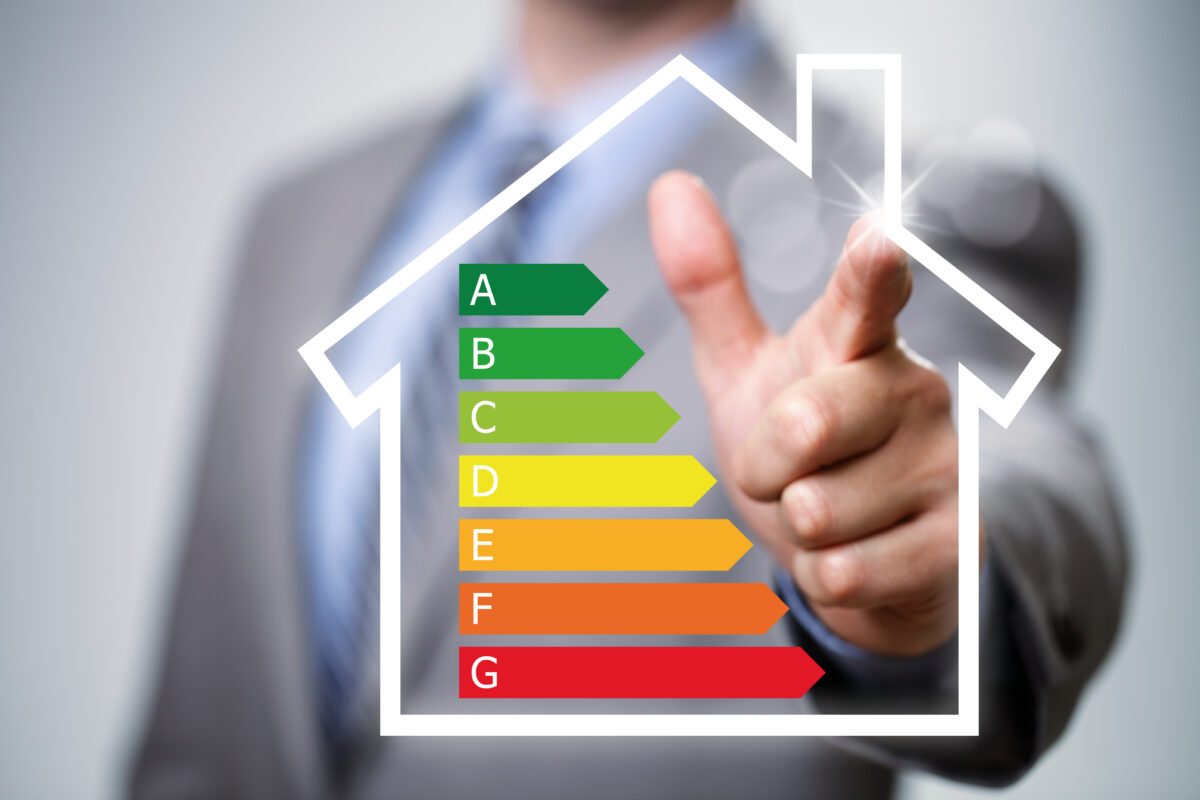
In the spring, use as much natural light as possible. Always make sure you turn off lights you don’t need regularly. It is nice to have fleshy green plants like cactus in the living space because they are excellent air purifiers. This was confirmed by NASA, which found in its research that these plants can eliminate up to 87 percent of harmful substances found in paints and varnishes. In addition, houseplants improve concentration and memory and reduce stress. These plants also eliminate toxins such as formaldehyde and benzene, primarily found in carpets, cigarette smoke, plastic bags, books, etc. Always buy energy class A household appliances because energy class A appliances and lighting fixtures consume up to 40% less energy than the same energy class D appliances.
Today you can get washing machines that wash from 3 to 7 kg of laundry. So please choose the one that suits your washing needs and use it according to the manufacturer’s instructions. Washing a full laundry drum is much more energy-efficient than two washes of a half-filled drum. In the case of an overloaded drum, the laundry will not be washed properly. Always choose a laundry program with the lowest water temperature enough for your laundry to be cleaned properly. Remember that today’s laundry detergents successfully remove impurities even at lower washing temperatures. If possible, always use the washing machine at lower rates. Also, the spring period is ideal for resting your dryer. Whenever you have the opportunity, dry your laundry on the balcony. Warm spring days will help you with that, and in addition to saving, you will also get a wonderful scent of freshness.
It seems sometimes to you that as individuals you cannot change anything, but you have to know that this is not true.
It seems sometimes to you that as individuals you cannot change anything, but you have to know that this is not true. Today we are witnessing great floods in the world, high temperatures causing forest fires, air pollution that takes many human lives, and all this was contributed by a man who was irresponsible towards nature and lifestyle. Air pollution is one of the world’s greatest environmental risks to human health. The World Health Organization (WHO) estimates that 91-99% of the world’s population lives in places where air quality exceeds WHO recommended guidelines. According to recent WHO statistics, BiH has the highest mortality rate due to indoor and outdoor air pollution in Europe and the second highest in the world. Outdoor air pollution is usually most pronounced in urban centers. For example, in Sarajevo, permitted particle limits are often exceeded 60 to 90 days a year, sometimes up to 200 days, causing significant health problems.
It is time to take small steps now that can
bring significant climate and health benefits to you and your environment in
the future. Wondering how? For example, if you improve energy efficiency in the
house, you can significantly reduce emissions from energy use, improve the
quality of outdoor and indoor air and positively affect your own and the health
of people around you. Scientific studies have shown that air quality is twice
as good in energy-efficient houses than in houses that are not. People who work
in energy efficient buildings are less likely to suffer from fatigue, headaches
or skin irritations, and are much more productive at work.
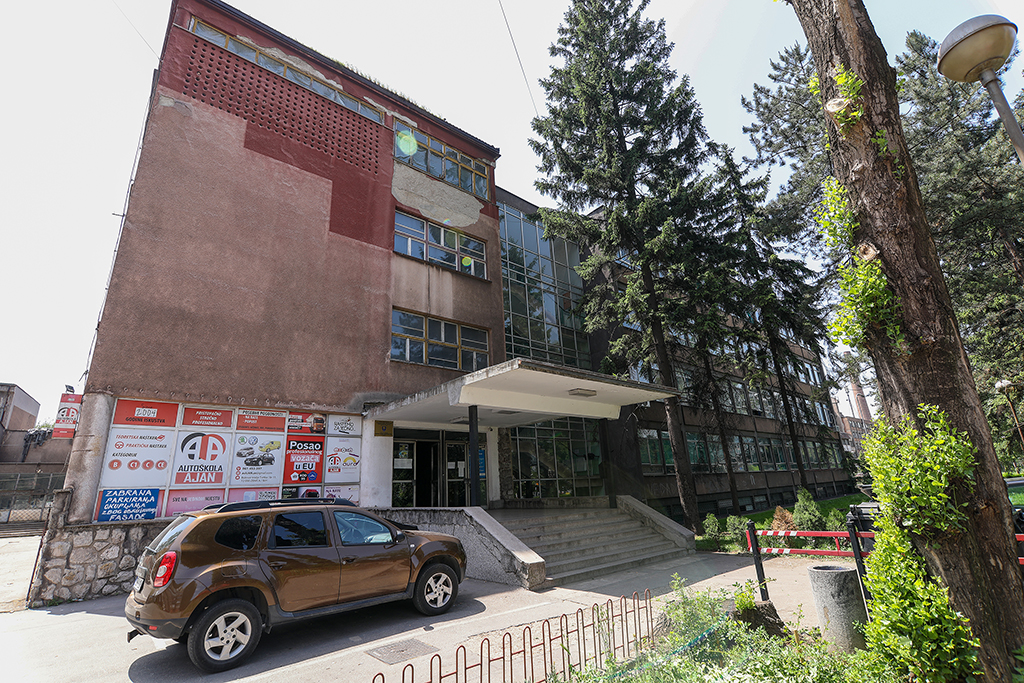
Total energy savings (thermal and electrical): 541,150 kWh/year CO2 emissions: 158,6 tCO2/year Start of works: 20/10/2022 Works completed/Date of technical acceptance: 24/03/2023
Thermal insulation of facade walls,
ceiling and roof;
Replacement of existing carpentry;
Improving the central heating system;
Partial
replacement of lighting fixtures;
Total investments (BAM with VAT): 912,155.51
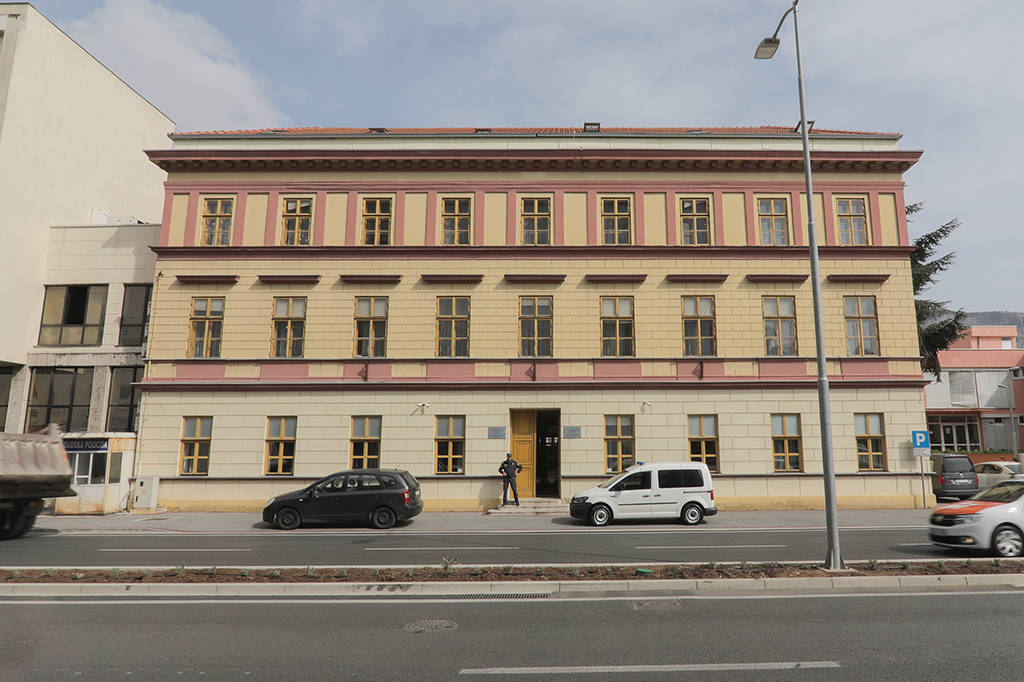
Total energy savings (thermal and electrical): 602.093 kWh/year CO2 emissions: 2,1 tCO2/year Start of works: 10/11/2022 Works completed/Date of technical acceptance: 10/03/2023
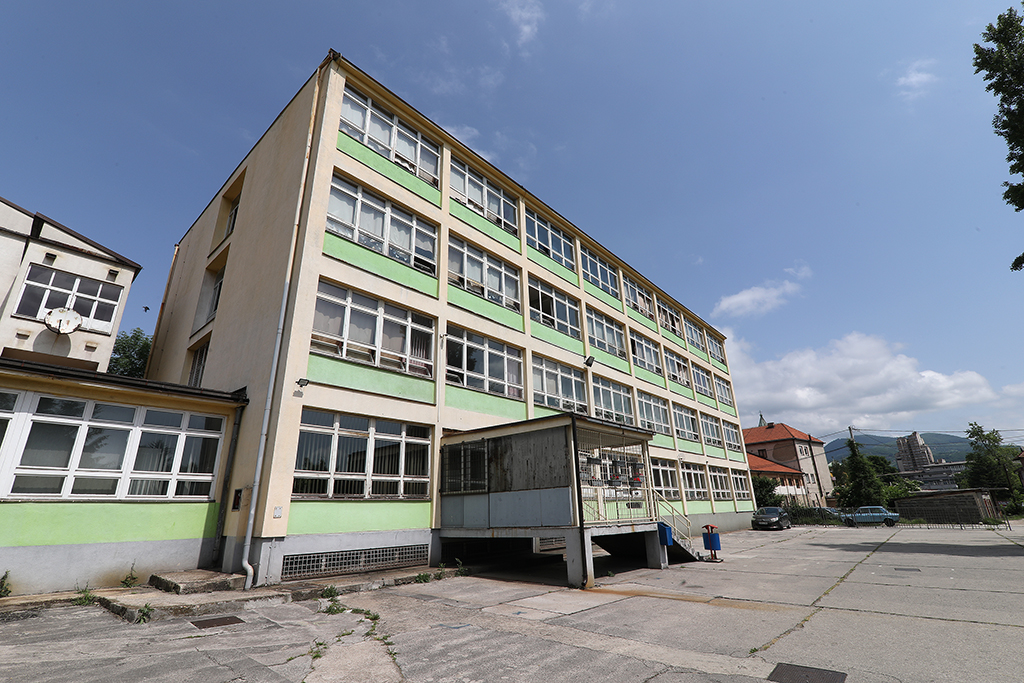
Total energy savings (thermal and electrical): 336,851kWh/year CO2 emissions: 95 tCO2/year Start of works: 20/10/2022 Works completed/Date of technical acceptance: 24/03/2023
The heating bill is like some sort of mystery. Whatever you do, even if you recently changed and upgraded the heating system in your home, the bills remain relentlessly high. If you’ve encountered this problem, we have a couple of simple but useful tips. Seemingly insignificant things can hurt your heating performance. Avoid a couple of mistakes you probably don’t even think about but often do, and you’ll see a significant decrease in your bill. There’s no mystery, all the wisdom is in a couple of minor things that can save you money.
Thermostat
The most common mistake people make, in hopes of heating their homes during those cold winter days is increasing the thermostat. When you get home “escaping” the low temperatures you want to warm up as soon as possible, so you don’t hesitate to increase the thermostat to extremely high temperatures. However, there are several problems with this practice. First, it’s irrelevant if you set your thermostat tens of degrees higher: your heating system can only work at max capacity, not faster, better, or stronger than the max. Secondly, if you forget to turn the thermostat back down to a “normal” temperature, your heating is going to be running longer than planned, wasting energy.
Just as it’s not good to turn up the thermostat extremely high, it’s also not good to completely turn off the heating. You were probably tempted into turning it off while you’re at work or on the mountains, to save money. This, however, will result in your home significantly cooling off and when you return, your heater will have to work for a long time to overcome the huge drop in temperature. It is much more practical and cost-effective to set the thermostat to a relatively low temperature so that your heater periodically turns on maintaining at least minimum heat.
Draft
Although many people think that draft is only a myth when it comes to that topic it’s better to stick to the traditional Balkan “fear of draft” and be careful that multiple doors and windows aren’t open at the same time. Other than that, closing curtains and blinds can help your home retain heat when the sun goes down. This is especially true for energy-efficient window treatments, such as thermal curtains. Just don’t forget to reopen the window during the day – that’s necessary to clean out the stagnant air in the rooms.
Some people, in an attempt to control the temperature in a different part of their homes, will try and close up ventilation openings in certain rooms. Unfortunately, this impairs the ability of their heating system to work efficiently. Your system is designed to “naturally circulate”. Plugging vents disturbs the balance and increase air pressure in the air ducts.
Maintenance
Finally, by no means should you neglect routine maintenance. Heaters can accumulate a lot of dust and dirt, especially if you don’t change the air filter regularly. Accumulation of dust and dirt can have a significant negative impact on your heating system and even cause the thermostat to “crack”.
Avoid these seemingly small, insignificant mistakes and you will see for yourself how before your eyes, this eternal mystery of high bills is solved in your favor. Bills will be significantly lower, but not only that. Your heating system will be far safer, more reliable, more efficient, and you will be warmer, smiling, and with more money in your pockets.
One of Bosnia and Herzegovina’s strategic priorities is joining the European Union
One of Bosnia and Herzegovina’s strategic priorities is joining the European Union. BiH’s Stabilisation and Association Agreement went into force in 2015 to intensify the work and commitment of all institutions regarding a significant number of obligations that BiH has undertaken by signing this and all other agreements in the process of joining the EU. Even though the energy efficiency sector is one of the most prominent sectors with a great potential for sustainable and comprehensive socio-economic development of Bosnia and Herzegovina, it is still necessary to approach its development strategically. Therefore, one should consider all possibilities and resources that BiH currently has and opportunities for improving and resolving current shortcomings.
Buildings in BiH are primarily old, heating and cooling systems are outdated, and the majority of them lack insulation. Therefore, in addition to the potentials for energy savings, by improving energy efficiency (EE), public and housing facilities also have a significant potential to reduce greenhouse gas emissions through the implementation of measures to improve heating systems and replace energy sources, without disrupting working and living conditions and at the same time saving the costs. Examples of projects implementing EE measures throughout the world imply that a critical factor for implementing EE programs is to design educational activities, and inform and raise people’s awareness about the importance of energy efficiency in protection of the environment. According to the World Health Organization last year’s report, environmental health risks in Europe cause 1.4 million deaths per year. The majority of these deaths could be prevented, given that environmental pollution results from human activities.
To achieve energy, environmental, and economic sustainability and join the European Union, Bosnia and Herzegovina started financing BiH Energy Efficiency Project (BEEP) with the loan from the World Bank, that is, the International Development Association (IDA). Through the Implementation Unit of the BEEP Project, the Ministry of Spatial Planning of the Federation of BiH is responsible for the preparation, coordination, management, and implementation of the Project in the Federation of BiH, including education of the broader audience on this topic.
The main development goal of the BiH Energy Efficiency Project is to present advantages of improving EE in public sector buildings and to support the development of scalable energy efficiency financing models. The Project is dedicated to refurbishing and insulating public buildings; from 2016 to 2020, the EE measures are successfully implemented on 55 facilities in the Federation of BiH, whose renovation cost 25 million BAM. Some of the results achieved by 2020: estimated savings of 17.716.570 kWh/yr., improved living conditions for more than 457.009 users, 1.325 new green jobs, the average investment of 456.148 BAM per building, CO2 emission reduced to 4.564 t/yr. In addition, new models for financing scalable mechanisms and building market capacities were prepared to develop flexible models for EE financing through the implementation of all requirements needed for establishing the Revolving Fund within the Ministry.
Since the Project has achieved outstanding results during the implementation period, such as numerous insulated public buildings and establishing the Revolving Fund, the activities were continued through the Additional Financing project (AF BEEP). AF BEEP is the extension of the central Project (BEEP), which should eventually result in approximately 100 renovated buildings. Therefore, the AF BEEP project has been extended until 2024.
“I am glad that we continued implementing the AF BEEP project and reconstruction of public buildings in the Federation of BiH. Considering that we are renovating very old public buildings, we are more than satisfied with what the World Bank’s Project has achieved so far. Energy efficiency is one of the basic measures of protection against excessive air pollution, present throughout BiH, especially during winter. The implementation of EE measures has multiple advantages. First of all, we are improving working and living conditions for all users of renovated buildings. Besides that, we are achieving significant energy savings and ultimately reducing air pollution, which is important for the health of the whole society,” said Josip Marić, the Minister of Spatial Planning of the Federation of BiH.
EE measures will be implemented in thirty additional educational institutions, nine health centers, and one police academy in the next four years. Regarding geographical distribution, thirty of these buildings are in the Zenica-Doboj Canton, two are in the Tuzla Canton, four are in the Herzegovina-Neretva Canton, and four are in the Sarajevo Canton.
By implementing EE measures in public sector buildings, budget users will benefit from significant financial savings and reinvestments, domestic labor force employment, environmental protection, and improved working and living conditions. In addition to projects like this one, the support of each individual is also essential, for they can contribute to a healthier environment by applying EE in everyday life: at school, home, and work.