


Did you know that there are alternative fuels that do not produce harmful gases and substances?
Yes, it is a fuel in the form of gas (biogas) or in the form of liquid (bioethanol and biodiesel), which are obtained by processing various non-living plants, animals and their products (waste).
As waste disposal is becoming an increasing problem the solution can be found in the use of waste as a source of fuel that does not pollute the environment. In developed countries biodiesel is also obtained from agricultural, industrial, municipal and other waste.
Organic matter from which biofuels are produced first create biomass energy, which is then most often converted into biodiesel and ethanol. The process of transforming biomass into liquid fuels is called pyrolysis. Pyrolysis generates oil that can be used for the production of electricity by combustion of the resulting gasoline (bio hydrogen releases energy that can be converted into electricity).
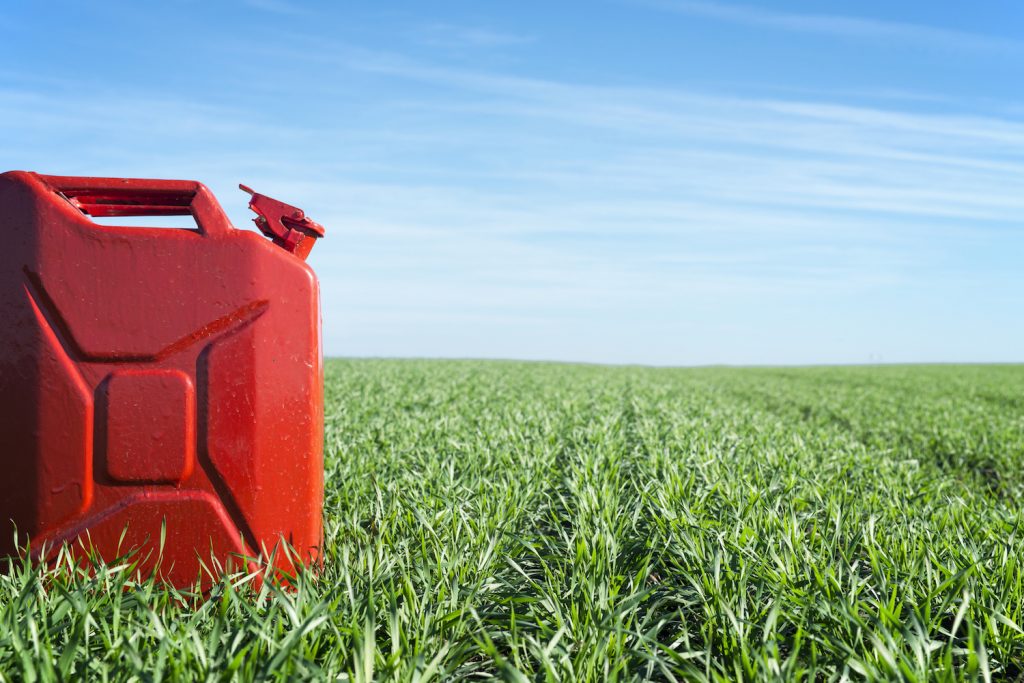
According to the International Agency for Energy (IEA) data, biofuels have the potential to replace over 25% of all transport fuels, including jet fuel, by mid-century.
In Scandinavia, where, among other things, special attention is paid to environmental protection, these fuels are already in use. The biggest advantage is that they rapidly and completely degrade and by using renewable, natural resources for energy production, we keep the environment.